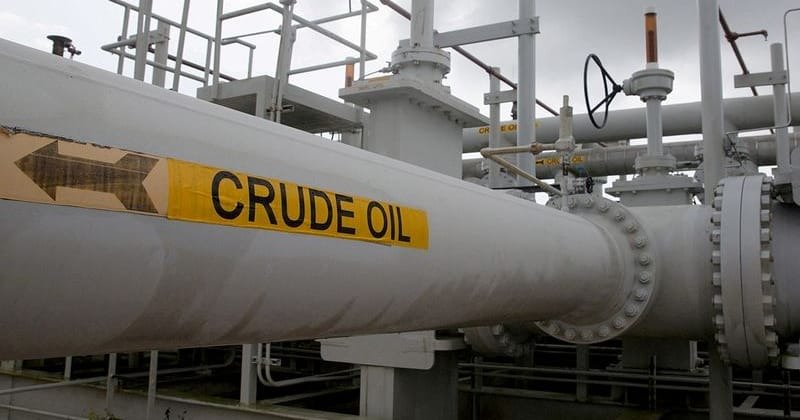
(Credit - Gulf News)
Oil Prices Near $95 Keep Fuel Costs Painful, Here’s Why Your Pump Price Won’t Drop Yet
If you drive, ship goods, or run any business that moves things, oil prices near $95 a barrel right now change your cost calculations for the weeks ahead. Brent crude is hovering near $95 and WTI around $92 as of June 3, 2026, with conflict involving Iran keeping traders on edge over potential disruptions to one of the world’s most critical energy corridors.
Why $95 Oil Is More Than a Headline Number
Markets are not reacting to a confirmed supply outage, they are pricing in the *probability* of one. When conflict risk rises in a region that sits astride major crude export routes, traders add a geopolitical risk premium to futures contracts. That premium lifts Brent and WTI even on days when no tanker is actually delayed, because the cost of being wrong, and caught short, is enormous.
Insurance and freight rates for vessels transiting regional shipping lanes also climb during periods of elevated tension, adding a second layer of cost on top of the raw crude price. Those extra costs flow directly into the wholesale price that refiners pay, and eventually into what consumers see at the pump.
Why Your Fuel Price Stays High Even When Crude Pauses
Retail fuel prices work on a lag. Petrol stations and distributors are selling fuel refined from crude purchased days or weeks earlier at already-elevated prices. Local taxes, refinery margins, and distribution fees sit on top of that base cost and do not move in lockstep with daily crude fluctuations. The result: even if Brent dips slightly tomorrow, the price you pay today reflects yesterday’s expensive barrel.
When crude holds at elevated levels across multiple trading sessions, as it has been doing, that higher input cost becomes embedded in the supply chain. Gasoline and diesel prices become “sticky,” meaning they resist falling quickly even when crude edges back. A sustained Brent level near $95 also feeds into broader inflation expectations through transport and logistics costs, touching everything from supermarket deliveries to airline tickets.
Brent vs. WTI: The Two Prices Driving Global Energy Costs
| Benchmark | Current Level | Primary Market | Why It Matters to You |
|---|---|---|---|
| Brent Crude | ~$95 / barrel | Europe, Asia, Middle East | Sets the reference price for most global fuel and jet fuel contracts |
| WTI Crude | ~$92 / barrel | United States | Influences North American gasoline and diesel retail prices |
| Price Gap | ~$3 | , | Reflects regional supply/demand and transport cost differences |
What’s Driving the Risk Premium Right Now
- Iran Conflict Exposure: The Middle East supplies a significant share of global crude exports; any disruption to transit routes raises immediate supply-tightening fears.
- Precautionary Stockpiling: Buyers are securing supply ahead of potential disruptions, tightening the perceived market balance even without a confirmed outage.
- Freight and Insurance Costs: Elevated regional tension pushes up shipping insurance premiums, adding cost before crude even reaches a refinery.
- Inflation Feedback Loop: Sustained crude near $95 lifts transport and logistics costs across the economy, keeping broader price pressures elevated.
What to Watch That Could Shift Prices Fast
Three signals will tell you whether this elevated price level is temporary or entrenched. First, watch for any verified change to actual export flows, a confirmed disruption would push prices sharply higher, while a de-escalation could release the risk premium quickly. Second, track global inventory data: if stockpiles start drawing down faster than expected, the market balance is genuinely tightening, not just perceived to be. Third, monitor shipping and insurance conditions on regional routes; normalising freight costs would signal that traders are becoming less worried about physical supply.
Oil prices near $95 reflect fear as much as physical shortage, traders are paying a premium for the possibility of disruption, not a confirmed one. That distinction is important: a credible de-escalation involving Iran could release that premium relatively quickly, while a confirmed supply outage would drive prices significantly higher. Until one of those outcomes becomes clear, fuel costs for consumers and transport-dependent businesses are likely to stay elevated.## FAQ