(Credit - Arabian Post)
GCC Economic Outlook: Conflict-Driven Contraction in 2026, Sharp Rebound in 2027
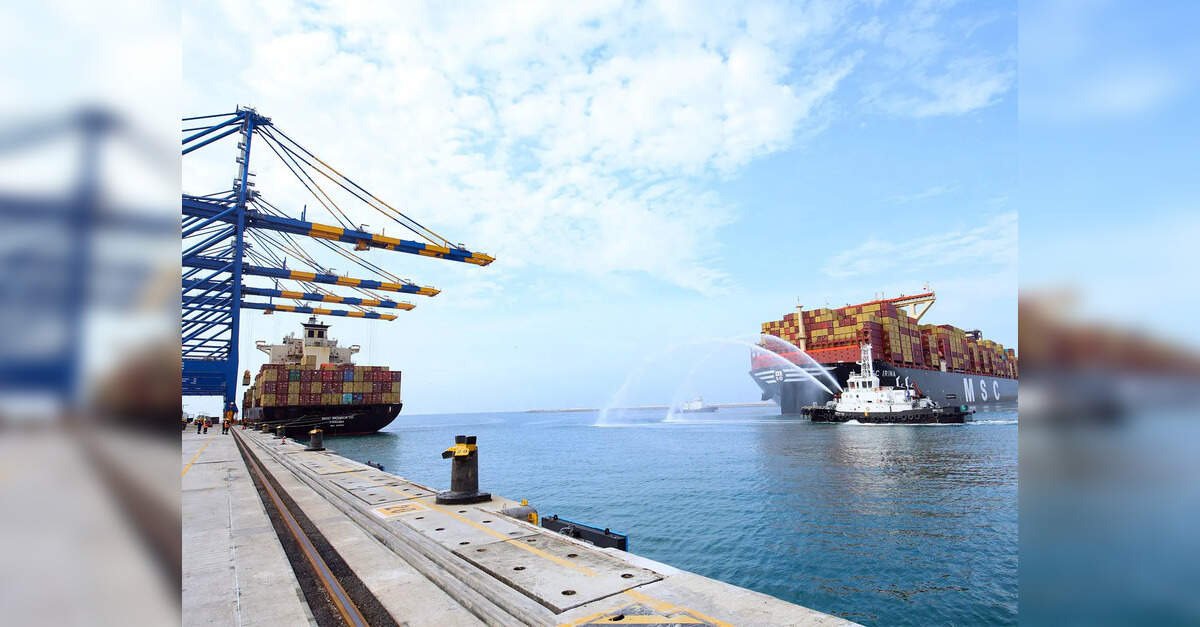
The strategic intent behind the GCC’s economic development is to position the region as a major player in the global economy, leveraging its vast energy resources and strategic location. The ICAEW–Oxford Economics Economic Insight report forecasts a 2.4% contraction in GCC GDP in 2026, followed by an 8.1% rebound in 2027, as energy exports recover, travel demand returns, and business confidence improves. This development is driven by the expected reopening of the Strait of Hormuz, which will normalize trade and reduce shipping risk premia.
Driver: Economic Factors
The economic factors driving the GCC’s growth profile are highly sensitive to energy export volumes and shipping insurance costs. Any disruption or normalization around the Strait of Hormuz has a significant impact on GDP. The reopening of the Strait is expected to reduce freight and risk premia, support crude and LNG export flows, and improve fiscal receipts that feed into public spending and project pipelines.Driver: Geopolitical Factors
The geopolitical factors driving the GCC’s growth profile are centered around regional stability and security conditions. The conflict-driven disruption in 2026 is expected to depress output, while improved stability and normalized trade are expected to lift exports, tourism, and confidence in 2027. The reopening of the Strait of Hormuz is a critical factor in this regard, as it will enable the free flow of trade and reduce the risk of disruption.Driver: Demographic Factors
The demographic factors driving the GCC’s growth profile are centered around travel demand and business confidence. The return of travel demand and improvement in business confidence are expected to drive growth in the hospitality, aviation, and trade-linked services sectors. The GCC’s young and growing population is also expected to drive demand for goods and services, contributing to economic growth.The ripple effect of the GCC‘s economic development will be felt across various stakeholder groups. For entrepreneurs and small business owners, the expected rebound in 2027 presents opportunities for growth and expansion. However, it also requires careful planning and management to navigate the challenges of the contraction in 2026. For investors, the forecast presents a two-speed planning problem, requiring cost control and liquidity resilience in 2026, followed by capacity, hiring, and supply-chain readiness in 2027. For policymakers, the forecast highlights the need for careful management of regional stability and security conditions, as well as the importance of investing in infrastructure and human capital to support long-term economic growth.
The contrarian view is that the forecast may be overly optimistic, and that the risks to the outlook are significant. The reopening of the Strait of Hormuz is not guaranteed, and the region’s security conditions remain fragile. Additionally, the forecast assumes a sharp rebound in energy exports, travel demand, and business confidence, which may not materialize. However, the ICAEW-Oxford Economics Economic Insight report provides a credible and well-researched forecast, and the expected rebound in 2027 is driven by fundamental factors that are likely to support growth.