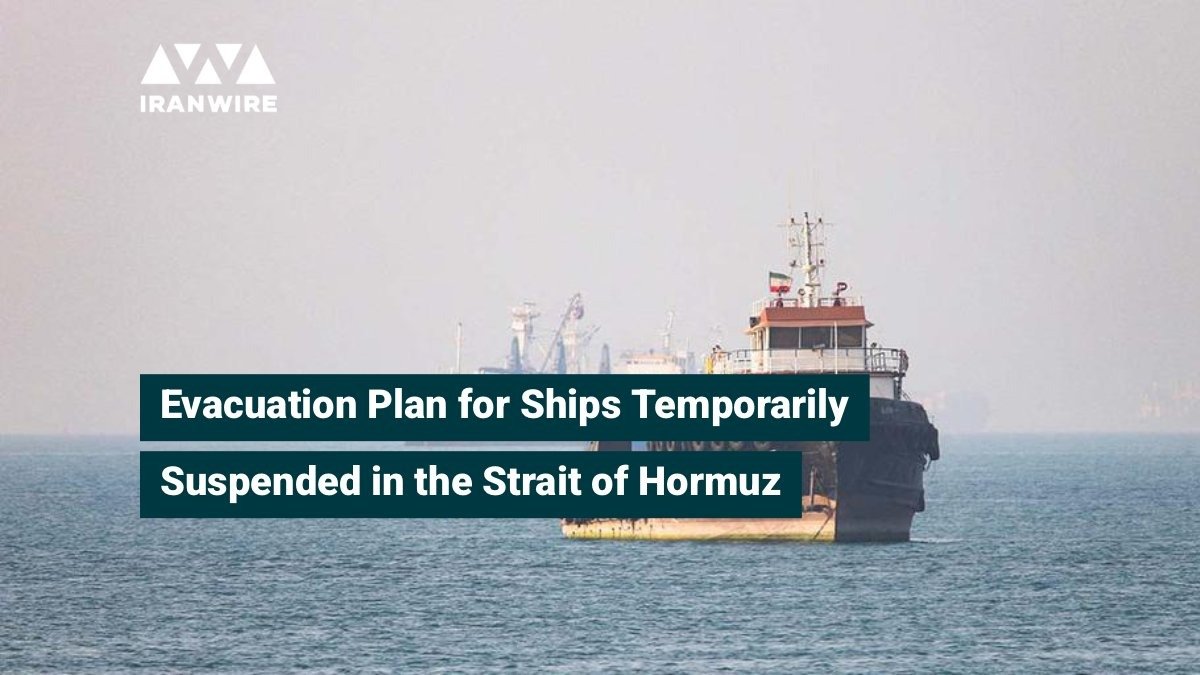
IMO Halts Strait of Hormuz Evacuation Plan After Drone Attack
The International Maritime Organization (IMO) has suspended its vessel evacuation plan for ships transiting the Strait of Hormuz following a drone attack on a cargo ship. The move affects ships operating in the corridor, particularly those carrying oil and LNG exports.
This decision by the IMO highlights the heightened security risks in one of the world’s most critical oil-shipping chokepoints, and it is likely to have significant implications for shipowners, charterers, and insurers. The suspension of the evacuation plan means that ships will need to take alternative measures to ensure navigational safety, which may include tighter onboard security procedures and coordination with regional naval forces.
Ships transiting the Strait of Hormuz will need to be prepared for increased scrutiny and potential delays, as the IMO’s decision is aimed at reducing collision risk and managing traffic flow during acute security incidents. The incident is also likely to heighten risk assessments by shipowners and insurers, potentially increasing war-risk premiums and altering routing decisions.
The Strait of Hormuz is a narrow maritime chokepoint linking the Persian Gulf to the Gulf of Oman and the Arabian Sea, and it is among the world’s most strategically sensitive shipping lanes. An IMO evacuation plan is an emergency safety measure designed to reduce collision risk and manage traffic flow during acute security incidents.
The International Maritime Organization made this decision, citing navigational safety concerns after the drone attack on a cargo ship establishing that its evacuation plan for ships transiting the Strait of Hormuz will remain suspended until seafarer safety can be assured, after a vessel was attacked in the waterway.


Emirates ID Chip Data Explained
Uncovering the Secrets of Your Emirates ID Chip: What You Need to Know
As a resident in the UAE, your Emirates ID is more than just a proof of identity - it's a key to accessing various government and private sector services. But have you ever wondered what information is stored on the chip embedded in your Emirates ID card? A recent article by What's On Dubai has shed light on the 20 categories of personal and administrative data that can be stored on the chip, and it's essential to understand what this means for your daily life.
The Emirates ID chip is designed to support secure identity verification and service access, which is why it can contain multiple data elements beyond what is printed on the front. With more services relying on Emirates ID for authentication, including healthcare, banking KYC, telecom SIM registration, and residency-related processes, it's crucial to know what data may be stored electronically versus what is visibly printed.
For residents, it's essential to rely on official guidance from the Federal Authority for Identity, Citizenship, Customs and Port Security (ICP) for definitive field lists and access rules, especially as data fields and integrations can change over time. The ICP is responsible for issuing Emirates ID cards and ensuring the security and integrity of the data stored on the chip.
If you're a resident using your Emirates ID for various services, you should be aware of the potential data fields that can be stored on the chip. These may include personal details, identification numbers, and other administrative data. It's also important to note that chip data is typically read through authorized systems and card readers as part of regulated identity checks.
To stay informed and ensure you're making the most of your Emirates ID, follow these next steps:
- Visit the ICP website to learn more about the Emirates ID chip and the data it stores.
- Check with service providers to see if they use chip-enabled ID checks for verification.
- Ensure you're using your Emirates ID correctly and securely to access various services.
Afghanistan earthquake 6.0 hits Hindu Kush
6.0 Earthquake Strikes Afghanistan's Hindu Kush Region
A 6.0 magnitude earthquake struck Afghanistan's Hindu Kush region on June 27, 2026, with tremors felt across parts of India and Pakistan. The earthquake occurred at approximately 3:50 PM local time, and initial reports indicated no major damage. Residents and authorities in Afghanistan, India, including Delhi-NCR, and Pakistan are affected by the earthquake.
The Hindu Kush region is one of the world's most seismically active mountain regions, where earthquakes are frequently generated by the ongoing collision between the Indian and Eurasian tectonic plates. This seismic activity is the reason why tremors are often reported in northern India and parts of Pakistan even when the epicenter is in Afghanistan. The fact that the earthquake's impact was felt across the border in India and Pakistan highlights the region's interconnectedness and the potential for widespread effects from such seismic events.
People in the affected areas can expect ongoing assessments and potential aftershocks, which may cause further disruptions. As the situation unfolds, residents should be prepared for possible changes in their daily routines, such as temporary work stoppages or building inspections. The next few hours will be crucial in determining the full extent of the damage and the necessary response measures.
The earthquake's impact on daily life is still being assessed, but it is clear that the region's seismic activity poses a significant risk to residents and infrastructure. As the situation continues to evolve, it is essential to stay informed and follow the latest updates from authorities.

Mohamed Salah injury rocks Egypt
Salah Injury Throws Egypt's World Cup Hopes into Doubt
Mohamed Salah suffered a left knee injury during Egypt's World Cup 2026 match against Iran, forcing him off the field and raising concerns over his availability for the knockout stage. Egypt coach Hossam Hassan confirmed that Salah is being assessed and will undergo further examinations as the team advances to the last 32.
The injury to Salah, a key player for Egypt, adds to the team's fitness concerns ahead of the knockout stage. With the tournament's tight schedule, even minor knee sprains can significantly impact a team's strategy and performance. Egypt's planning for the next match will now hinge on the severity of Salah's injury, with medical assessments and day-to-day evaluations determining his potential return to the field.
The injury's impact on Egypt's daily training and match preparation will be significant, as the team must adapt their tactics and lineup in case Salah is unable to play. This may involve adjusting their pressing intensity, transition speed, and set-piece roles, as well as altering their squad rotation and substitution strategy.
Egypt's progress in the World Cup 2026 has been closely watched, and this injury raises questions about their chances of advancing further in the tournament. As the team prepares for the last 32, they will need to carefully manage Salah's injury and adjust their strategy accordingly.

Venezuela Twin Earthquakes: Baby Rescued
Miracle Rescue in Venezuela: Baby Pulled Alive from Rubble 32 Hours After Twin Earthquakes
An 18-day-old baby was pulled alive from rubble 32 hours after twin earthquakes hit Venezuela. The baby's mother was also rescued shortly after, according to reports. The rescue operation took place in La Guaira, Venezuela, where search-and-rescue teams continued operations after quake-related building collapse trapped survivors.
The rescue of the 18-day-old baby is a remarkable example of the critical work of search-and-rescue teams in the aftermath of natural disasters. The fact that the baby was rescued alive 32 hours after the earthquakes struck highlights the importance of rapid and thorough search efforts.
Rescue teams typically use listening devices, canine teams, and careful debris removal to avoid destabilizing void spaces and locate survivors. In the case of infant rescues, rapid triage for dehydration, hypothermia, crush injuries, and respiratory distress is often required.
The rescue of the baby and its mother reflects the dedication and expertise of the search-and-rescue teams in La Guaira. As the region continues to respond to the aftermath of the twin earthquakes, the rescue serves as a reminder of the critical importance of search-and-rescue operations in saving lives.

Venezuela earthquakes June 24: UN estimates 6.76 million affected
Venezuela Earthquakes: UN Estimates 6.76 Million Affected, Death Toll Rises
The United Nations estimates that up to 6.76 million people could be affected by the June 24 earthquakes in Venezuela, as rescue operations continue across impacted areas. The people affected include those injured, displaced, cut off from services, or living in areas with damaged infrastructure.
The reported death toll has surpassed 1,400, underscoring the scale of humanitarian needs and infrastructure damage. Rescue efforts are still ongoing, with the first days focusing on search-and-rescue and trauma care, followed by rapid damage assessments, restoring power, water, and communications, and setting up temporary shelters.
A specific, concrete change to the daily routine of those affected is the need to access temporary shelters and aid distribution points, as many have been displaced from their homes. The full extent of the damage and the needs of the affected population are still being assessed, but it is clear that the impact will be significant and long-lasting.
The United Nations and the International Organization for Migration (IOM) said they are coordinating the emergency response to deliver aid to communities impacted by the June 24, 2026 earthquakes and described by humanitarian agencies as the strongest to hit Venezuela in more than a century.