(Credit - The National)
UAE Dirham Symbol Gets Unicode Green Light, Your Phone Keyboard May Never Look the Same
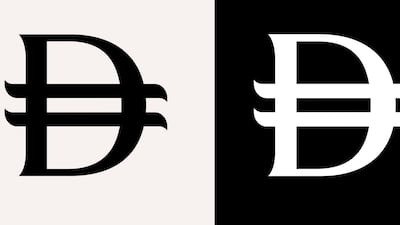
The UAE dirham symbol has cleared a foundational global hurdle: the Unicode Consortium has approved it, setting the stage for the symbol to appear natively on smartphone and computer keyboards worldwide, and ending years of “AED” and “Dhs” workarounds in apps, receipts, and online checkouts.
What Unicode Approval Actually Means, and What It Doesn’t
Unicode is the global text-encoding standard that assigns a unique code point to every character so it displays consistently across every platform, font, and language. Think of it as the passport a symbol needs before any operating system, browser, or app can officially support it. Without a Unicode code point, developers have to use text abbreviations or custom images, both of which break unpredictably across devices and screen sizes.
Approval by the Unicode Consortium is the essential first step, but it does not flip a switch that instantly puts the symbol on your keyboard tomorrow. The rollout works in waves: major operating systems, iOS, Android, Windows, and macOS, must first add font and input support through their own update cycles. After that, individual apps, e-commerce platforms, and accounting tools adopt it at their own pace. In practical terms, UAE residents are likely to encounter the symbol first inside specific apps or websites, before it becomes a dedicated key on a default keyboard layout.
What Changes for Residents, Shoppers, and Businesses
For everyday UAE residents, the clearest near-term change is consistency. Price tags on food delivery apps, ride-hailing fares, retail checkout screens, and travel booking platforms will eventually display a single, universally recognized symbol rather than a mix of “AED,” “Dhs,” or currency images that occasionally render as blank boxes on certain devices. For tourists and new residents who do not yet recognize those abbreviations, a dedicated symbol removes a genuine point of confusion at checkout. For businesses, from small merchants to banks and fintech platforms, a Unicode-backed symbol reduces the localization work required to display prices correctly across Arabic and English interfaces, and it cleans up POS receipts, digital invoices, and PDF statements. Government and semi-government entities that publish fees, fines, and service charges across portals will also benefit from a single standardized character that holds its formatting across browsers and document types.
- What was approved: The UAE dirham symbol, assigned a unique Unicode code point by the Unicode Consortium
- Current workarounds it replaces: “AED,” “Dhs,” and custom currency images used across apps and websites
- Next required steps: iOS, Android, Windows, and macOS must add support via OS updates; font libraries and keyboard layouts must then expose it as an input option
- Sectors with the most to gain: Food delivery, ride-hailing, retail e-commerce, travel bookings, fintech, and government service portals
- Timeline for keyboard appearance: No confirmed date yet, adoption rolls out through OS and app update cycles after Unicode publication
Unicode approval is the technical foundation the dirham symbol needed to become a first-class character in global digital infrastructure, the same status held by the dollar sign, euro, and pound sterling. UAE residents will not see it on their keyboards overnight, but the path is now formally open. Businesses that handle UAE pricing at scale, in e-commerce, fintech, or government services, should begin assessing font libraries and UI frameworks now, so they are ready to adopt the symbol as OS-level support rolls out.