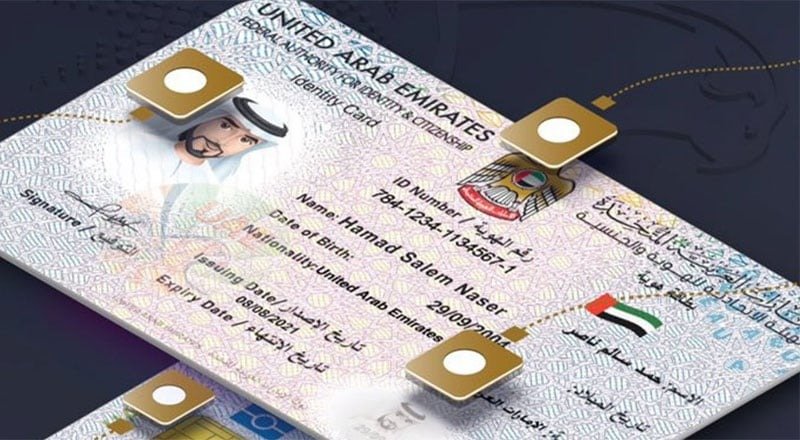
Uncovering the Secrets of Your Emirates ID Chip: What You Need to Know
As a resident in the UAE, your Emirates ID is more than just a proof of identity – it’s a key to accessing various government and private sector services. But have you ever wondered what information is stored on the chip embedded in your Emirates ID card? A recent article by What’s On Dubai has shed light on the 20 categories of personal and administrative data that can be stored on the chip, and it’s essential to understand what this means for your daily life.
The Emirates ID chip is designed to support secure identity verification and service access, which is why it can contain multiple data elements beyond what is printed on the front. With more services relying on Emirates ID for authentication, including healthcare, banking KYC, telecom SIM registration, and residency-related processes, it’s crucial to know what data may be stored electronically versus what is visibly printed.
For residents, it’s essential to rely on official guidance from the Federal Authority for Identity, Citizenship, Customs and Port Security (ICP) for definitive field lists and access rules, especially as data fields and integrations can change over time. The ICP is responsible for issuing Emirates ID cards and ensuring the security and integrity of the data stored on the chip.
If you’re a resident using your Emirates ID for various services, you should be aware of the potential data fields that can be stored on the chip. These may include personal details, identification numbers, and other administrative data. It’s also important to note that chip data is typically read through authorized systems and card readers as part of regulated identity checks.