Dubai Humanitarian logs 171+ relief shipments to 42 countries in Q1 2026
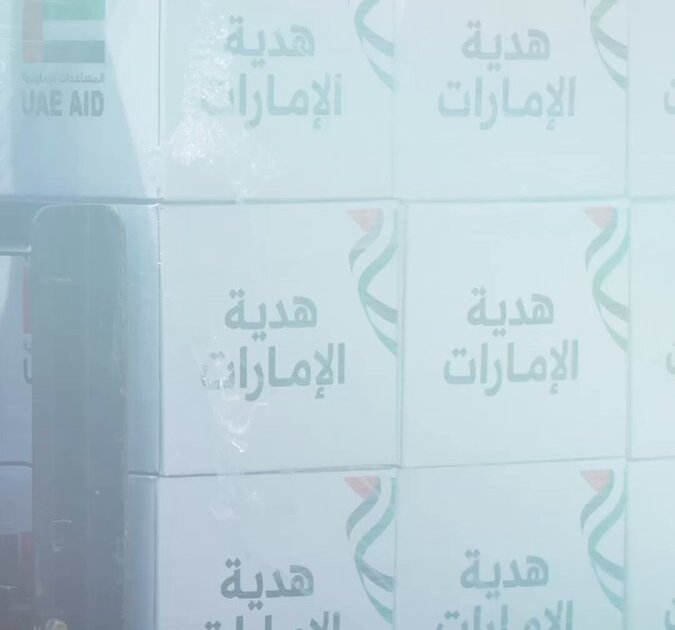
Dubai Humanitarian reported that its community dispatched more than 171 relief shipments to 42 countries in Q1 2026 (January–March 2026), according to a Dubai Media Office update posted on X and tagged to @DXBHumanitarian. During Q1 2026, Dubai Humanitarian dispatched 22.3 metric tonnes of medical aid to Gaza and Lebanon as part of its emergency-response operations.
Dubai Humanitarian is headquartered in Dubai and is described as the world’s largest humanitarian hub, hosting around 80 organisations and companies supporting international relief operations.
The Q1 2026 shipment count signals sustained outbound activity across multiple destinations, with logistics focused on emergency response needs, including medical aid shipments to crisis regions, as stated in the update.
Quick Intel
- Volume: 171+ relief shipments dispatched in Q1 2026 (Jan–Mar 2026).
- Reach: Shipments sent to 42 countries in the same quarter.
- Hub scale: Dubai Humanitarian is described as the world’s largest humanitarian hub and hosts around 80 organisations and companies.
- Cargo type: Activity includes medical aid shipments supporting global emergency response efforts.
Dubai Humanitarian said the Q1 2026 movements formed part of its wider support for global humanitarian efforts, with relief cargo routed to dozens of destinations across its network.

UAE travel ban check: Quick online guide
How to Check Your UAE Travel Ban Status Online
Last Updated: July 6, 2026
Dubai Police provides an official “Circulars and Travel Bans” e-service that allows individuals to check whether they have a travel ban or circular registered in Dubai.
In Abu Dhabi, individuals can check travel-ban and case-related status through the Estafser service, an official Abu Dhabi government channel for inquiries.
UAE residents and visitors who need to confirm whether a travel ban or case exists can use the official channels listed below. By following the steps, you’ll instantly know if you’re cleared to travel.
Check Travel Ban Online
- Open a web browser and go to icp.gov.ae.
- Click Inquiries, then select Travel Ban Inquiry.
- Enter your passport number or UAE ID and submit the query.
- For a faster update in Dubai, open the Dubai Police App and use its travel‑ban status feature.

Dubai airports smart travel system speeds DXB flow
AI‑powered ‘red carpet corridor’ speeds immigration at Dubai International Airport
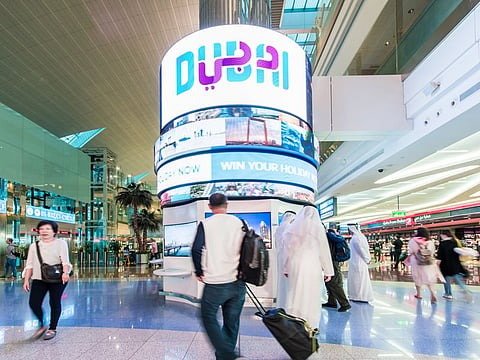
Dubai International Airport’s main terminal saw a surge of efficiency as Dubai Airports rolled out its AI‑enabled smart travel system.
Faster immigration clears the way for travelers
The system processed 9.4 million passengers over a six‑month span, letting travelers move through immigration without pulling out passports. Its “red carpet corridor” uses biometric AI to reduce processing times to as little as six seconds, lifting overall passenger flow and satisfaction.
Biometric technology is fully integrated across Dubai International Airport’s smart corridors, enabling passengers to move through key touchpoints with minimal document checks.
This boost aligns with Dubai’s broader push to embed smart technologies in public services, keeping the emirate’s transport hubs among the world’s most advanced.
OPEC+ August oil quotas up 188,000 bpd as Hormuz shipping resumes
OPEC+ raises August output by 188,000 bpd amid Hormuz shipping rebound
OPEC+ approved an increase of 188,000 barrels per day in August oil output targets at a virtual meeting on Sunday, July 5, 2026. The move impacts OPEC+ members including Saudi Arabia, Russia, Iraq, Kuwait, Kazakhstan, Algeria and Oman.
The hike extends a sequence of monthly quota increases begun in April as Gulf shipments resume through the Strait of Hormuz, pushing Brent crude toward $72 a barrel and WTI below $69.
The 188,000‑bpd boost adds to global supply, helping ease Brent crude to about $72 per barrel and WTI to stay under $69.
OPEC+ said the decision reflects a controlled restoration of supply now that shipping lanes in the Strait of Hormuz are partially reopened and that crude prices have retreated from wartime peaks. The group also noted that the increase continues a gradual unwinding of the voluntary output cuts that were introduced in 2023.
Members will implement the additional output in August while monitoring market signals. OPEC+ retained the flexibility to pause or reverse the upward trend if price weakness re‑emerges, underscoring a cautious approach despite the current easing.
The virtual session also confirmed that the monthly adjustments will proceed through the remainder of the year, subject to ongoing assessment of demand and price dynamics.
This follows April’s initial OPEC+ decision to lift output, which marked the start of the current upward trend.

Etihad Rail ticket prices: 50% child discount, senior deals
Kids get 50% off as Etihad Rail rolls out new fare rules
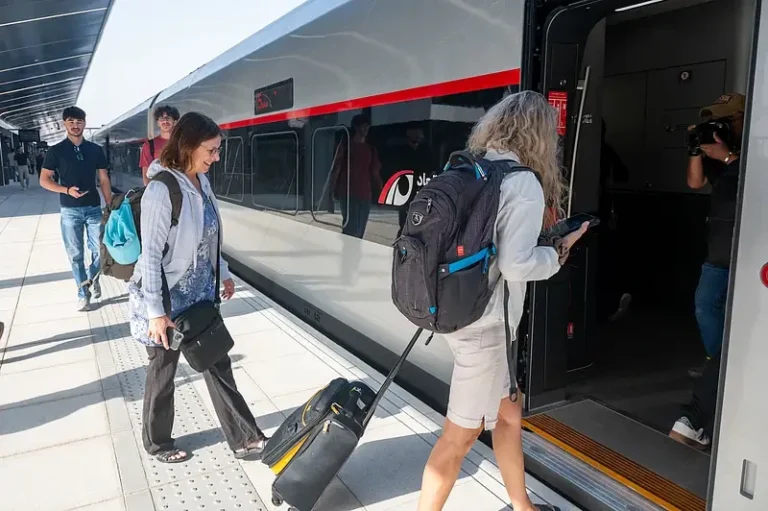
At the newly opened Etihad Rail stations that dot the UAE’s rail corridor, families are already feeling the difference in their wallets. The operator’s passenger charter, posted on its website this week, spells out exactly how much less a trip will cost for a child or a senior.
Family‑friendly fares take centre stage Etihad Rail announced that children under 17 travel for half the standard adult fare. Seniors aged 60 and above receive a 20 % reduction. Meanwhile, every adult ticket between ages 18 and 59 is being sold at a 50 % launch discount, a promotion that helped push ticket sales past the 10,000 mark before the service even began.
The discount structure is laid out in a simple table that commuters can check at any ticket vending machine:
| Age group | Discount |
|---|---|
| Under 17 | 50 % off standard fare |
| 18‑59 (launch period) | 50 % off standard fare |
| 60 + | 20 % off standard fare |
If plans change, passengers aren’t left stranded. Etihad Rail’s charter says tickets can be cancelled through the call‑centre or at any station’s ticket vending machine, with refunds issued according to the class of ticket purchased. The flexibility varies, premium‑class tickets allow more changes, while the basic fare is stricter, but the option to get money back is built into every fare tier.
These pricing moves dovetail with the UAE’s broader push to shift commuters onto public transport. By making rail travel affordable for families and retirees, the operator supports the national vision of diversifying mobility options and easing road congestion across the Emirates.

Emirates ID sharing risk: How to protect yourself
Why sharing your Emirates ID can invite fraud, and what to do
Your ID, your risk: the hidden danger of casual Emirates ID sharing
If you’ve been sending a photo of your Emirates ID over WhatsApp or posting the number in a chat, you may be opening the door to identity theft. Routine sharing of Emirates ID details can be weaponised by fraudsters, and the UAE’s laws treat any misuse of identity documents as a criminal offence. In plain terms, a single misplaced image can enable impersonation, account take‑overs, or bogus applications that cost you time and money.
Residents across the Emirates rely on the card for everything from opening bank accounts to ordering food deliveries, which makes the temptation to “just show it” understandable. Yet that convenience is exactly what criminals exploit. Once an ID image or number circulates, it can be re‑used in weak verification processes that many services still employ. The result? Unauthorized loans, fake utility contracts, or even travel bookings made in your name.
What this means for you
UAE citizens and expatriates holding an Emirates ID should treat the document like a passport: share it only when a regulated entity explicitly asks for it and can justify the request. A quick check, is the request coming from a verified corporate email or a secure portal?, can spare you a future headache. Avoid sending full‑screen photos in unsecured messaging apps; a blurred or cropped version that hides the number is still risky.
If you suspect that your Emirates ID details have been misused, the first step is to note where and how you shared the information. Then, reach out to the fraud or security team of the service that was involved, banks, telecom operators, or e‑commerce platforms all maintain dedicated channels for such complaints. Prompt reporting can limit damage and trigger investigations under the UAE’s strict identity‑misuse statutes.
Practical steps to keep your Emirates ID safe
- Share your Emirates ID only with a legitimate, regulated entity that has a clear, documented purpose for the data.
- Never transmit a full‑size image of the card through unsecured messaging apps; use encrypted portals or in‑person verification whenever possible.
- If you receive an unsolicited request for your ID, verify the sender’s identity through official contact numbers before responding.
- When you suspect misuse, record the context of the sharing and immediately contact the relevant service provider’s fraud team.
Remember, the law in the UAE criminalises the illegal use of identity documents, so protecting your Emirates ID isn’t just good sense, it’s a legal obligation.