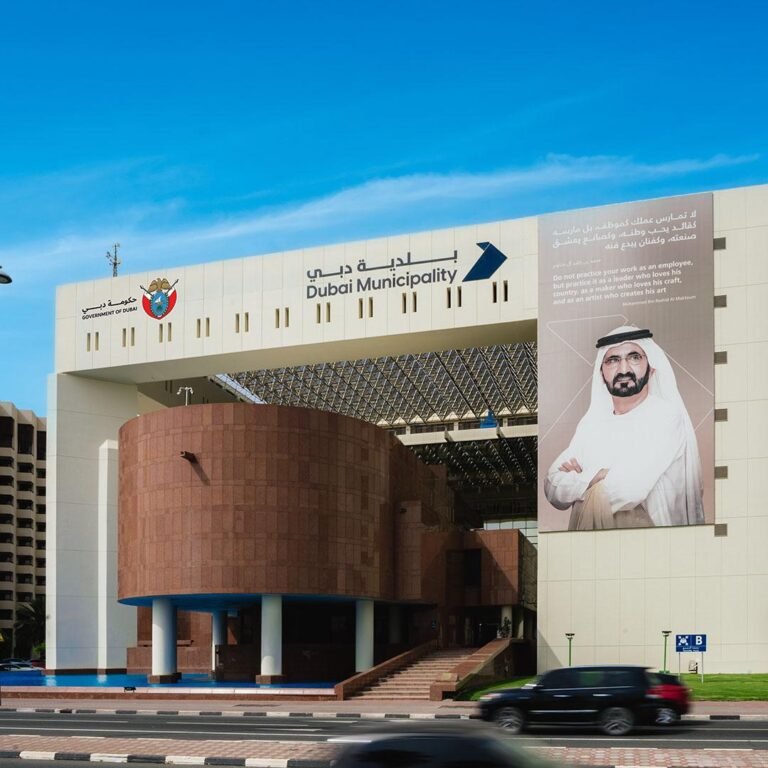
Subleasing Banned as Dubai Shared Housing Rules Enforce AED 1M Penalties
Dubai’s regulatory framework for shared accommodation, Law No. (4) of 2026, officially came into effect on August 26, 2026. Issued by His Highness Sheikh Mohammed bin Rashid Al Maktoum, Vice-President and Prime Minister of the UAE and Ruler of Dubai, the legislation governs how shared housing units are managed, occupied, and leased across all private development zones and free zones.
Target Audience and Coverage Exclusions
The framework directly impacts real estate developers, commercial operators, property owners, and tenants residing in shared apartments or villas. It does not apply across the board, however. The law explicitly excludes units designated for collective labour accommodation, which remain under separate regulatory oversight.
Operational Mandates, Space Limits, and Subleasing Bans
Under the operational standards enforced by Dubai Municipality, tenants are strictly prohibited from subleasing rooms, bed spaces, or partitioned sections of a housing unit to anyone. Managing shared setups now rests entirely with licensed owners and designated operators.
Property owners must obtain a municipal permit for every shared housing unit and register the property on the DLD Shared Housing Electronic Registry. Physical modifications are heavily restricted, temporary wooden and plastic partitions are illegal under the new standard.
Occupancy is also anchored to physical density rules. Every resident must be allocated a minimum of 5 square metres of habitable floor space, calculated strictly using bedroom and living room space.
Landlords and building operators have been granted a one-year transition window to adjust existing arrangements and bring non-compliant properties into alignment with the permit requirements. Any ongoing lease or operational disputes linked to these standards will flow through the Dubai Rental Disputes Centre.
Fine Schedule and Regulatory Penalties
Municipal inspectors will enforce compliance according to finalized official enforcement procedures, backing the law with substantial financial and operational penalties.
Initial violations trigger fines ranging from AED 500 to AED 500,000. If an operator or owner repeats the same violation within a one-year period, the fine doubles, reaching up to the maximum legal cap of AED 1,000,000.
Beyond monetary penalties, Dubai Municipality and partner entities can levy administrative measures depending on the severity of the breach.
| Violation Type | Penalty Structure |
|---|---|
| Standard Violation | AED 500 to AED 500,000 |
| Repeat Offence (Within 12 Months) | Fines double up to a maximum cap of AED 1,000,000 |
| Administrative Enforcement Actions | Permit cancellation, activity suspension up to 6 months, commercial licence revocation, utility service disconnection, or mandatory eviction |
For eligibility categories and real-world enforcement, see our shared housing eligibility guide and Toyota Building case study.