(Credit - Emirates 24|7)
EU Parliament Committee Backs Temporary US Tariff Cuts, With a Snap-Back Clause
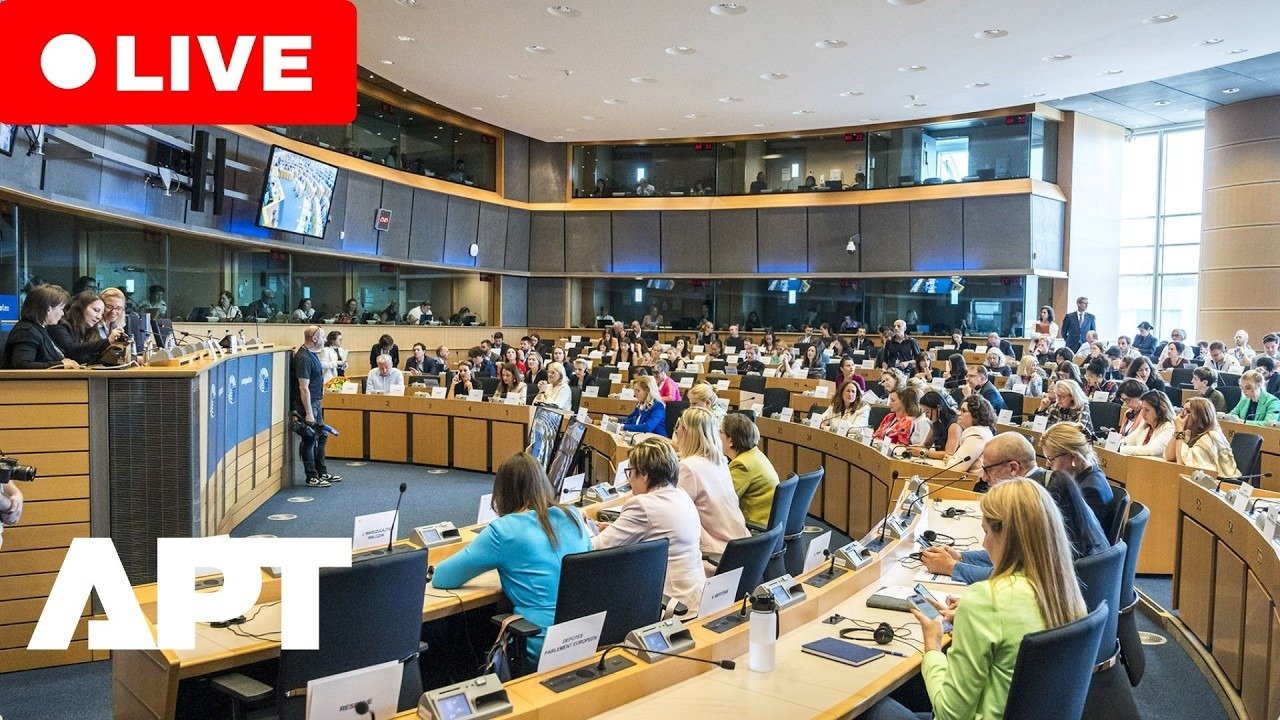
An EU Parliament committee voted on June 2, 2026 to back a temporary reduction of EU tariffs on certain US imports, a calculated move to pull both sides back from a full-blown trade clash before it escalates further.
What the Committee Actually Approved, and What It Doesn’t Guarantee
The European Parliament committee’s endorsement is an early but influential step in the EU legislative process. It signals political appetite for de-escalation, but the tariff relief is explicitly temporary and tied to US compliance, meaning the cuts do not take effect unconditionally, and they can be reversed if Washington fails to meet the attached requirements.
Strict safeguards are built into the framework, giving the EU the legal mechanism to reimpose duties quickly if the US side does not hold up its end. Think of it less as a peace treaty and more as a conditional ceasefire with a clearly marked exit ramp.
What Changes, and What Could Flip Back
For EU importers and businesses sourcing from the United States, the near-term picture is cautiously positive: lower landed costs on the affected product categories, if and when the measure clears the remaining parliamentary and member-state steps. The catch is durability, a compliance-linked tariff cut creates real re-pricing risk the moment conditions are not met.
- Scope: Certain US imports into the European Union, specific product categories not detailed in the committee vote announcement.
- Duration: Temporary, not a permanent policy change.
- Condition: Tariff relief is contingent on US compliance with the attached safeguard requirements.
- Reversal mechanism: Safeguards allow the EU to reimpose duties if compliance conditions are not met.
Before and After: How the Trade Position Shifts
| Factor | Before Committee Vote | After Committee Vote |
|---|---|---|
| EU tariff stance on US imports | Standard duties applied | Temporary reduction backed, pending full legislative process |
| Conditionality | No formal compliance link | Relief tied to US meeting specific safeguard conditions |
| Reversal risk | Duties fixed unless changed by legislation | Duties can snap back automatically if conditions are breached |
| Trade war trajectory | Escalation risk elevated | De-escalation signalled, but not guaranteed |
| Legislative status | No approved relief measure | Committee-level approval; further parliamentary/member-state steps required |
What Happens Next in the EU Legislative Process
A committee vote is not the finish line. The proposal typically requires further steps, full European Parliament approval and, depending on the legal basis, sign-off from EU member states, before any tariff reduction takes effect. The critical swing factor is whether the US meets the compliance conditions the EU has attached to the relief. Until that is confirmed, the tariff cuts remain conditional on paper.
For procurement teams, trade compliance leads, and finance controllers with US-sourced supply chains, the practical advice is to model both scenarios now: one where the cuts land and landed costs fall, and one where compliance breaks down and duties revert. Locking in large volumes before the compliance picture is clear carries real exposure.
The EU Parliament committee’s move is a deliberate signal of willingness to de-escalate, not a done deal. The safeguards are the story: they preserve EU leverage and keep the threat of reimposed duties live. Watch the compliance timeline closely, because that is what determines whether importers actually see lower costs or face a sudden reversal.