(Credit - Arabian Post)
Sobha Realty 2025 Deliveries Beat Schedule as Developer Launches 15,000 Homes and Unveils Dh50bn Sanctuary
Sobha Realty 2025 deliveries came in ahead of schedule, approximately 3,000 residential units handed over before their contracted dates, as the UAE-headquartered developer simultaneously launched nearly 15,000 new homes across its expanding master development portfolio in Dubai and Umm Al Quwain.
What Triggered This Scale-Up Across Dubai and Umm Al Quwain?
The output reflects a deliberate strategic pivot. Sobha Realty confirmed at a media briefing that its 2025 activity was driven by four major master developments, marking a clear departure from the single-tower release model that defined earlier phases of its UAE growth. Rather than stacking individual residential towers, the developer is now building destination communities, anchored by shared infrastructure, retail, and wellness amenities, across two emirates simultaneously.
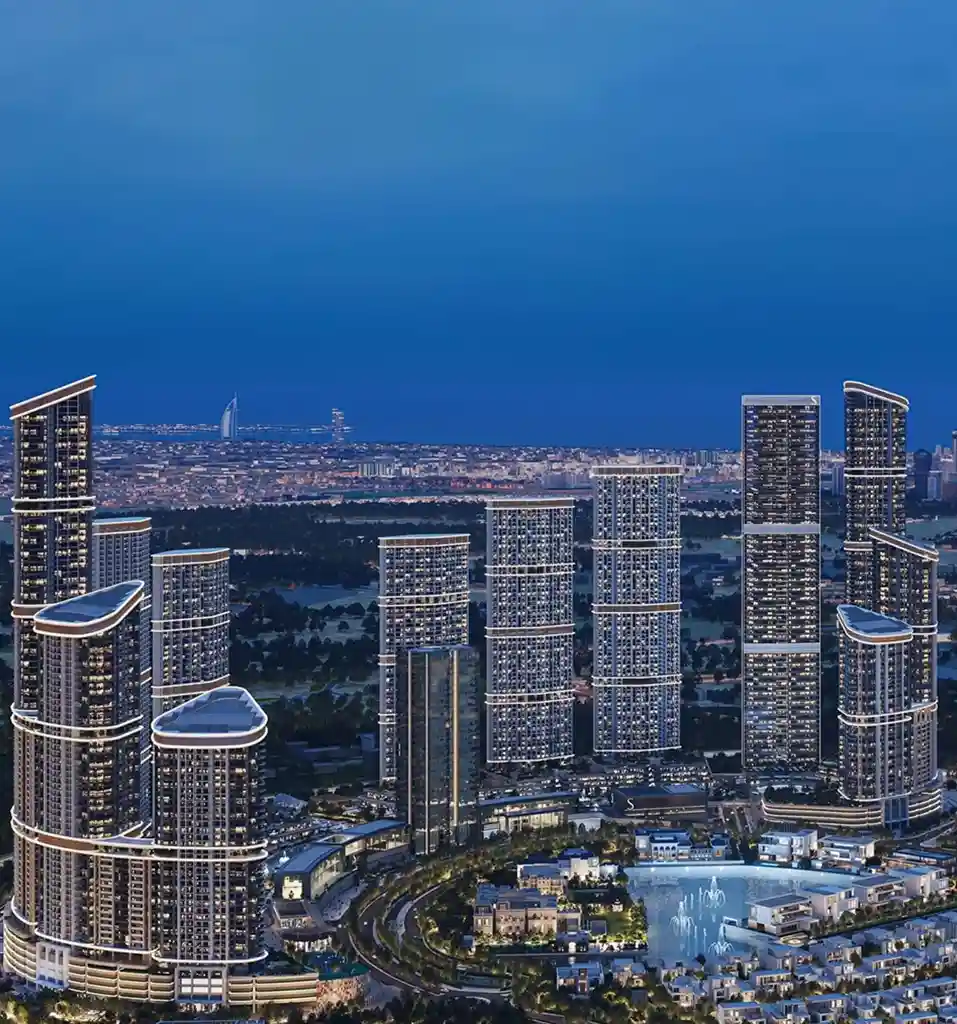
The centrepiece of that shift is the Dh50 billion Sobha Sanctuary project in Dubai, which incorporates a destination park, a community mall, and a wellness centre. This is not a phased apartment block; it is a mixed-use urban environment designed to compete on lifestyle credentials rather than unit count alone. Separately, Sobha Realty announced a partnership with Keeta Drone to integrate drone delivery services into its communities, a last-mile convenience layer that positions its developments alongside the kind of on-demand infrastructure residents in premium Dubai addresses increasingly expect.
What This Means for Buyers, Investors, and the Broader UAE Supply Pipeline
For buyers holding off-plan contracts within Sobha’s portfolio, ahead-of-schedule handovers directly reduce carrying-cost exposure, the gap between paying instalments and generating rental income or taking occupancy. The Dubai Land Department (DLD) tracks handover compliance as part of its developer oversight framework, and consistent early delivery strengthens a developer’s standing within that regulatory environment. Buyers in Umm Al Quwain projects should note that the emirate operates under its own municipal and planning authorities, separate from Dubai’s Real Estate Regulatory Agency (RERA), so title registration and handover documentation processes will differ by jurisdiction.
- Units Delivered Ahead of Schedule (2025): Approximately 3,000 residential units
- New Homes Launched (2025): Nearly 15,000 across Dubai and Umm Al Quwain
- Sobha Sanctuary Project Value: Dh50 billion (Dubai)
- Tech Partnership: Keeta Drone, drone delivery integration across Sobha communities

Dubai RTA Vehicle Ownership Transfer: The Complete 2026 Guide to Costs, Documents, and Online Steps
The Dubai RTA vehicle ownership transfer process is an important part of UAE law, personal finance, and daily life for many residents who buy and sell cars each year. When a vehicle changes ownership in Dubai, the law requires that the Mulkiya, the official vehicle registration card, be quickly updated with the new owner's details. If this step is not completed, both parties face legal risks: sellers remain responsible for any fines or accidents involving the vehicle, while buyers are not legally allowed to drive it.
In 2026, the Roads and Transport Authority has enhanced its digital services, allowing much of the transfer process to be initiated via the Dubai Now app, although a visit to an authorized center is still necessary to finalize the transfer.
At a Glance: Dubai Car Ownership Transfer in 2026
- The base transfer fee for a Dubai RTA vehicle ownership transfer is approximately AED 100, with additional charges for registration renewal, insurance, and any outstanding fines on the vehicle.
- Both buyer and seller must clear all traffic fines on the vehicle before the transfer can proceed; unpaid fines block the transaction at the system level.
- The Dubai Drive app allows owners to initiate the transfer request online, upload documents, and track status, but the physical handover of the Mulkiya typically requires attendance at a Tasjeel, Shamil, Tamam, or Wasel center.
- A valid Emirates ID for both parties and a current vehicle insurance certificate in the buyer's name are non-negotiable requirements before any center will process the transfer.
Before You Begin: Eligibility and Pre-Transfer Checklist
Not every car sale in Dubai moves smoothly to a transfer appointment, and the reasons are almost always the same: outstanding fines, expired insurance, or a vehicle that has not passed its technical inspection. The RTA's system is fully integrated with the Dubai traffic database, so any unpaid fine, whether a speed camera ticket or a parking violation, will halt the process the moment a clerk or the app attempts to pull up the vehicle's record.
The seller's first task is to log into the Dubai Drive app or visit the RTA's official portal and run a fines check using the vehicle's plate number. Once the record is clean, the seller needs to confirm the vehicle's registration is either current or being renewed as part of the transfer. If the car is due for a technical inspection, that appointment at a Tasjeel or affiliated inspection center must happen before the transfer date, not after.
On the buyer's side, the single most time-sensitive requirement is securing a valid motor insurance policy in their own name before walking into any RTA Customer Happiness Center or authorized service point. Insurance companies in Dubai can issue a certificate within hours, and many do so digitally, but the policy must be active and name the buyer as the registered owner of the specific vehicle being transferred.
The documents both parties need to bring together are straightforward. The seller presents their original Emirates ID and the existing Mulkiya. The buyer presents their original Emirates ID, their new insurance certificate, and, if they hold a non-UAE driving licence, a valid UAE driving licence. For corporate sellers or buyers, a trade licence and an authorisation letter from the company are required in addition to the representative's Emirates ID.
The Step-by-Step RTA Online Vehicle Transfer Process
The Dubai Drive app is the starting point for anyone who wants to reduce time spent at a service center. After logging in with UAE Pass credentials, the seller navigates to the vehicle services section and selects the ownership transfer option. The app prompts for the buyer's Emirates ID number, the agreed sale price, and confirmation that all fines are cleared. Once both parties confirm the transaction digitally, the app generates a reference number that the buyer carries to the physical center to complete the handover.
For those who prefer to handle everything in person from the start, any Tasjeel, Shamil, Tamam, or Wasel center across Dubai accepts walk-in transfer requests. The process at the counter mirrors the app flow: the clerk verifies fines, checks insurance, confirms the vehicle's inspection status, and then processes the Mulkiya transfer in the buyer's name. The new registration card is typically printed on the spot.
The fee structure at the counter covers the transfer registration charge, and if the vehicle's annual registration is due for renewal, that renewal fee is collected at the same time. Buyers should budget for the registration renewal cost on top of the base transfer fee, as the two are often processed together to ensure the Mulkiya issued is both transferred and current.
Car Ownership Transfer Dubai Cost 2026: The Full Fee Breakdown
Understanding exactly what you will pay before arriving at a center prevents the kind of last-minute scramble that delays transactions. The table below sets out the core charges associated with a standard Dubai RTA vehicle ownership transfer in 2026.
| Fee Item | Approximate Cost (AED) | Paid To |
|---|---|---|
| Ownership Transfer Registration Fee | 100 | RTA / Authorized Center |
| Vehicle Registration Renewal (if due) | 290, 420 (varies by vehicle type) | RTA / Authorized Center |
| Vehicle Technical Inspection (if required) | 150, 200 | Tasjeel / Inspection Center |
| Traffic Fines Clearance | Variable (must be zero before transfer) | Dubai Traffic / RTA |
| New Motor Insurance (buyer's policy) | Variable (market rate) | Insurance Provider |
The AED 100 transfer fee is the fixed, non-negotiable charge that goes directly to the RTA for updating the vehicle's ownership record. Every other line item depends on the specific vehicle's history and the timing of the transaction. A car with a clean record, current registration, and a recent inspection certificate will cost the buyer the least; a vehicle with lapsed registration and outstanding fines will require the seller to settle those costs before the transfer can proceed at all.
After the Transfer: What the New Owner Receives
Once the center processes the transaction, the buyer walks out with a new Mulkiya printed in their name. This document is the legal proof of ownership in Dubai and must be kept in the vehicle at all times. The RTA also updates the vehicle's digital record, which means the Dubai Drive app will reflect the new ownership within 24 hours of the transfer being processed.
The seller's record is simultaneously cleared. The vehicle no longer appears under their profile in the RTA system, and any future fines or incidents involving the car become the legal responsibility of the new registered owner. Both parties receive an SMS confirmation from the RTA once the system update is complete.
If the buyer intends to use the vehicle immediately after the transfer, they should confirm their insurance certificate is active from the transfer date, not from a future date, as driving without valid insurance in Dubai carries significant penalties under UAE traffic law.
For buyers who purchased a vehicle through a dealership, the process is largely the same, though the dealership typically handles the paperwork on the buyer's behalf and may charge an administrative fee for doing so. Private sales require both parties to be present, either physically at the center or digitally through the Dubai Drive app confirmation step, to ensure the transfer is consensual and legally binding.
The RTA Customer Happiness Centers across Dubai, including those at Deira, Al Barsha, and Umm Ramool, handle transfer requests during standard government working hours. Tasjeel centers, which operate at multiple locations including Al Quoz and Nad Al Sheba, often offer extended hours and can process transfers alongside inspection appointments, making them a practical one-stop option for buyers whose vehicles need both inspection and registration on the same day.
💡 Frequently Asked Questions
Can I complete the entire Dubai RTA vehicle ownership transfer online without visiting a center?
The Dubai Drive app allows you to initiate the transfer, upload documents, and receive a reference number online. However, the final step, collecting the new Mulkiya, currently requires a visit to an authorized center such as Tasjeel, Shamil, Tamam, or Wasel. The process is a blend of online initiation and a single physical visit.
Who is responsible for clearing traffic fines before the car ownership transfer in Dubai?
The seller is responsible for ensuring all fines linked to the vehicle are paid before the transfer date. The RTA system will not allow the transfer to proceed if any outstanding fines appear on the vehicle's record, regardless of who incurred them.
How long does the Dubai RTA vehicle ownership transfer take to complete?
Once all documents are in order, fines are cleared, and insurance is confirmed, the transfer at an authorized center typically takes between 30 minutes and one hour. The RTA system updates the digital record within 24 hours, and both parties receive SMS confirmation once the change is reflected.

Oil Prices Near $95: What It Costs You Now
Oil Prices Near $95 Keep Fuel Costs Painful, Here's Why Your Pump Price Won't Drop Yet
If you drive, ship goods, or run any business that moves things, oil prices near $95 a barrel right now change your cost calculations for the weeks ahead. Brent crude is hovering near $95 and WTI around $92 as of June 3, 2026, with conflict involving Iran keeping traders on edge over potential disruptions to one of the world's most critical energy corridors.
Why $95 Oil Is More Than a Headline Number
Markets are not reacting to a confirmed supply outage, they are pricing in the *probability* of one. When conflict risk rises in a region that sits astride major crude export routes, traders add a geopolitical risk premium to futures contracts. That premium lifts Brent and WTI even on days when no tanker is actually delayed, because the cost of being wrong, and caught short, is enormous.
Insurance and freight rates for vessels transiting regional shipping lanes also climb during periods of elevated tension, adding a second layer of cost on top of the raw crude price. Those extra costs flow directly into the wholesale price that refiners pay, and eventually into what consumers see at the pump.
Why Your Fuel Price Stays High Even When Crude Pauses
Retail fuel prices work on a lag. Petrol stations and distributors are selling fuel refined from crude purchased days or weeks earlier at already-elevated prices. Local taxes, refinery margins, and distribution fees sit on top of that base cost and do not move in lockstep with daily crude fluctuations. The result: even if Brent dips slightly tomorrow, the price you pay today reflects yesterday's expensive barrel.
When crude holds at elevated levels across multiple trading sessions, as it has been doing, that higher input cost becomes embedded in the supply chain. Gasoline and diesel prices become "sticky," meaning they resist falling quickly even when crude edges back. A sustained Brent level near $95 also feeds into broader inflation expectations through transport and logistics costs, touching everything from supermarket deliveries to airline tickets.
Brent vs. WTI: The Two Prices Driving Global Energy Costs
| Benchmark | Current Level | Primary Market | Why It Matters to You |
|---|---|---|---|
| Brent Crude | ~$95 / barrel | Europe, Asia, Middle East | Sets the reference price for most global fuel and jet fuel contracts |
| WTI Crude | ~$92 / barrel | United States | Influences North American gasoline and diesel retail prices |
| Price Gap | ~$3 | , | Reflects regional supply/demand and transport cost differences |
What's Driving the Risk Premium Right Now
- Iran Conflict Exposure: The Middle East supplies a significant share of global crude exports; any disruption to transit routes raises immediate supply-tightening fears.
- Precautionary Stockpiling: Buyers are securing supply ahead of potential disruptions, tightening the perceived market balance even without a confirmed outage.
- Freight and Insurance Costs: Elevated regional tension pushes up shipping insurance premiums, adding cost before crude even reaches a refinery.
- Inflation Feedback Loop: Sustained crude near $95 lifts transport and logistics costs across the economy, keeping broader price pressures elevated.
What to Watch That Could Shift Prices Fast
Three signals will tell you whether this elevated price level is temporary or entrenched. First, watch for any verified change to actual export flows, a confirmed disruption would push prices sharply higher, while a de-escalation could release the risk premium quickly. Second, track global inventory data: if stockpiles start drawing down faster than expected, the market balance is genuinely tightening, not just perceived to be. Third, monitor shipping and insurance conditions on regional routes; normalising freight costs would signal that traders are becoming less worried about physical supply.
Oil prices near $95 reflect fear as much as physical shortage, traders are paying a premium for the possibility of disruption, not a confirmed one. That distinction is important: a credible de-escalation involving Iran could release that premium relatively quickly, while a confirmed supply outage would drive prices significantly higher. Until one of those outcomes becomes clear, fuel costs for consumers and transport-dependent businesses are likely to stay elevated.## FAQ

Trump Strait of Hormuz Deal Expected Within a Week
Trump Strait of Hormuz Deal Could Land Within Days as Iran Nuclear Demands Remain Unresolved
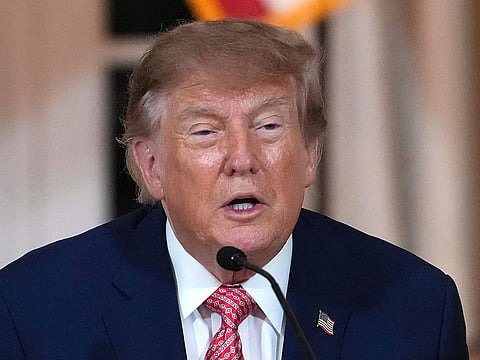
The Trump Strait of Hormuz deal is expected within a week, US President Donald Trump said on June 3, 2026, though he acknowledged key issues remain unresolved and a final decision is still pending. The outcome would directly affect tanker operators, energy buyers, and insurers exposed to one of the world's most critical maritime chokepoints.
Free Navigation Tied to Iran Abandoning Nuclear Ambitions
Trump framed the prospective agreement around two conditions: Iran allowing free navigation through the Strait of Hormuz and abandoning its nuclear ambitions. He described negotiations as close to completion without specifying which issues remain outstanding or identifying the parties involved in the talks beyond the US and Iran.
The Strait of Hormuz connects the Persian Gulf to the Gulf of Oman and serves as the primary export corridor for a significant share of the world's seaborne oil and liquefied natural gas. Any disruption to transit, whether through interdictions, vessel seizures, or the threat of military action, raises shipping insurance premiums, forces longer rerouting, and adds cost and time to supply chains globally. Even the expectation of restored passage can compress the geopolitical risk premium embedded in energy prices, though unresolved terms keep that volatility elevated for traders and shipowners.
What a Potential Reopening Means for Shipping and Energy Markets
A formal reopening agreement would signal de-escalation steps sufficient to restore predictable commercial transit for tankers and container ships. Until a final decision is confirmed, freight rates, war-risk insurance premiums, and hedging costs remain sensitive to headline risk. Shipping operators and energy procurement teams are currently navigating a window where de-escalation is priced as possible but not certain.
- Timeline: Trump said a deal is expected within one week of June 3, 2026; no binding agreement has been signed.
- Conditions stated: Iran must allow free navigation and abandon nuclear ambitions, per Trump's framing.
- Status: Final decision pending; key issues described as unresolved.
- Market exposure: Oil prices, LNG spot rates, and war-risk insurance premiums remain elevated pending confirmation.
Trump's one-week timeline puts pressure on negotiators to close outstanding gaps before markets reprice on a missed deadline. The dual conditions, nuclear concessions alongside navigation guarantees, mean the deal carries implications well beyond maritime access. Until signatures are on paper, shipowners and energy buyers face a market that can move sharply on a single statement.*Source: The National*

Oil Prices Slide After Lebanon Ceasefire Deal
Oil Prices Slide as Lebanon Ceasefire and Iran Diplomacy Drain Risk Premium from Crude
Oil prices slide on Wednesday, June 3, 2026, after a ceasefire in Lebanon reduced immediate fears of regional escalation and reports emerged of possible U.S.-Iran peace talks. Energy traders responded by unwinding risk hedges, pulling Brent crude and WTI lower as the geopolitical premium built into prices began to deflate.
How Geopolitical Risk Moves Crude, and Why It Can Reverse Fast
Oil markets routinely price in a "risk premium" when traders anticipate potential disruptions to production, shipping lanes, or energy infrastructure across the Middle East. A ceasefire involving Hezbollah in Lebanon directly reduces near-term expectations of escalation that could threaten regional transit routes or energy assets. When that threat perception falls, traders sell risk hedges, and crude benchmarks follow.
Separately, any credible signal pointing toward U.S.-Iran de-escalation carries a second layer of downward pressure. Beyond reducing conflict risk, it raises market expectations, however tentative, that Iranian barrels could eventually return in greater volume if diplomatic progress leads to eased restrictions. Reports citing former U.S. President Donald Trump in connection with a possible two-week ceasefire announcement have been flagged as unverified by The National, and traders are pricing probabilities, not confirmed outcomes. Prices can reverse sharply if ceasefire terms weaken or negotiations stall.
What This Means for Energy Buyers and Hedging Desks
The immediate practical consequence for procurement teams, fuel buyers, and corporate hedging desks is heightened short-term volatility rather than a sustained price decline. Risk can re-enter crude prices within days if diplomatic signals fade or ceasefire conditions deteriorate, meaning hedge positions locked in at current levels may need reassessment on a compressed timeline.
- Trigger: Lebanon ceasefire reduces perceived threat to regional energy infrastructure and transit routes.
- Secondary driver: Reports of possible U.S.-Iran peace talks raise expectations of reduced conflict risk and potential Iranian supply re-entry.
- Market mechanism: Traders sold geopolitical risk hedges, pushing Brent and WTI benchmarks lower.
- Verification status: Claims referencing a specific Trump-linked two-week ceasefire announcement remain unverified, per The National.
Oil markets moved lower on June 3 as two converging signals, a Lebanon ceasefire and early indications of U.S.-Iran diplomacy, reduced the risk premium traders had embedded in crude. The move reflects shifting probabilities, not confirmed supply changes, and the same geopolitical factors that pushed prices down can push them back up quickly. Energy buyers and trading desks face a narrow window to reassess positions before the diplomatic picture clarifies further.*Source: The National*

Africa Critical Minerals Drive Global Power Race
Africa Critical Minerals Are Now the World's Most Contested Supply Chain
Africa's critical minerals, cobalt, copper, lithium, and rare earths, have moved to the centre of a three-way competition between China, Gulf states, and Western powers, each racing to secure the raw materials that power batteries, electricity grids, electronics, and defence systems.
Why Infrastructure Is the Real Prize, Not Just the Mine
The strategic logic driving investment in 2026 is straightforward: a mine without a corridor is stranded. Every major external player is pairing mining access with the ports, railways, roads, and power projects needed to move ore from extraction sites to processing hubs and export terminals. Whoever finances and builds that logistics chain earns long-term commercial leverage, and reduces their own supply-chain risk at home.
China's approach has centred on large-scale infrastructure financing and construction tied directly to trade and industrial capacity. The goal is to reduce supply-chain vulnerability for Chinese manufacturers by securing upstream mineral flows before competitors can. Western partners, led by the United States, have responded by promoting alternative financing frameworks, governance standards, and supply-chain partnerships, targeting specifically the minerals most critical to the global energy transition.
Gulf Investors Are Quietly Building a Third Corridor Strategy
Gulf investors have expanded their footprint across Africa through ports, logistics networks, energy projects, and mining-linked deals. The strategic fit is clear: Africa's resource base aligns with Gulf ambitions in trade connectivity, industrial diversification, and downstream processing, giving Gulf states a role in global supply chains that goes well beyond their own hydrocarbon revenues.
- Minerals in focus: Cobalt, copper, lithium, and rare earths, all central to battery manufacturing, power grids, and defence technology.
- China's edge: Established infrastructure financing and construction capacity, with trade and industrial ties already embedded across multiple African economies.
- Western counter-strategy: Alternative financing, governance-linked partnerships, and supply-chain agreements targeting energy-transition minerals.
- Gulf positioning: Port and logistics investment, energy deals, and mining-linked financing that connects Africa's resource base to Gulf trade and processing ambitions.
What African Governments Actually Want
The framing of this competition as a binary choice between blocs misreads how most African governments are operating. Many are engaging China, Gulf investors, and Western partners simultaneously, treating each as a source of capital, technology, and market access rather than as an ideological alignment. The priorities African leaders consistently push for are jobs, government revenue, delivered infrastructure, and local value addition: processing ore domestically rather than exporting raw material at low margins.
That demand for local value addition is increasingly a deal condition, not a negotiating afterthought. Governments that can enforce it gain more from the competition; those that cannot risk locking in the same extractive dynamic that defined earlier resource booms. The country that controls the processing step, not just the mine, captures the higher-margin part of the supply chain.
The Supply-Chain Consequence for Businesses and Buyers
For procurement teams, infrastructure investors, and manufacturers dependent on critical minerals, this competition is becoming a cost-and-risk calculation as much as a geopolitical story. Contract terms, local value-add requirements, and financing conditions attached to corridor projects directly affect who secures stable offtake agreements, who gains processing capacity, and who faces logistics bottlenecks when a corridor is controlled by a rival's financing partner.
Africa holds a significant share of the world's reserves of minerals essential to the energy transition and modern defence systems, making the continent's infrastructure corridors as strategically important as the mines themselves. The competition between China, Gulf investors, and Western powers is intensifying, but African governments are increasingly setting the terms, demanding jobs, revenue, and local processing rather than simply choosing sides. For any business or government dependent on critical mineral supply chains, understanding who controls the corridor is now as important as understanding who owns the deposit.