Gulf Security at Risk as US-Iran Conflict Escalates
The collapse of a fragile 60-day ceasefire between the United States and Iran has led to a renewed escalation of military confrontations, leaving Gulf states exposed to the conflict. The Strait of Hormuz, a critical shipping route, has become a flashpoint, with both sides targeting assets in the region. This development has significant implications for the security and economies of Gulf countries, including Bahrain, Kuwait, Qatar, and Oman.
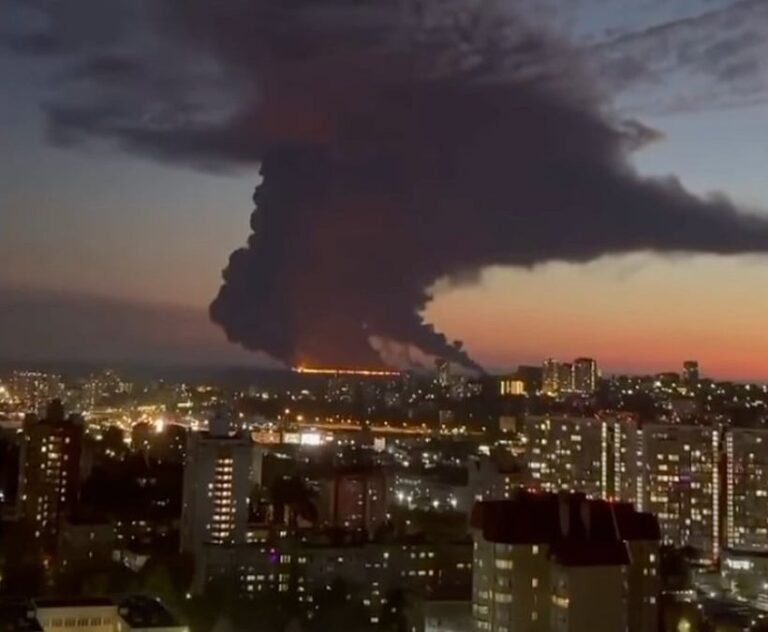
The breakdown of the ceasefire, which was signed in mid-June, followed a series of events that began with the US accusing Iran of striking three ships in the Strait of Hormuz. In response, the Islamic Revolutionary Guard Corps Navy announced the closure of the strait and struck a Cyprus-flagged vessel, prompting the United States to attack dozens of Iranian military targets. The escalation has resulted in drone strikes against US military sites in Bahrain, Kuwait, and Qatar, with Iran presenting these strikes as attacks on American assets rather than on the countries hosting them.
The pattern of escalation is familiar, with previous confrontations following a similar sequence: Iran attacks commercial shipping, the United States responds with limited strikes, and Tehran then targets American assets in Gulf countries. The GCC economies are feeling the effects of every confrontation, with the conflict impacting the security and stability of the region. The closure of the Strait of Hormuz, in particular, has significant implications for the global economy, as it is a critical route for oil exports.
For Gulf governments, the situation is precarious, with the conflict posing a significant threat to their security and economies. The distinction between attacks on American assets and attacks on the countries hosting them offers little reassurance, as the explosions still take place in their airspace and near their cities. The GCC countries are taking necessary measures to respond to developments and ensure the safety of their citizens, but the situation remains volatile.
The strongest counter-argument to the notion that Gulf states are exposed to the US-Iran conflict is that the region has experienced periods of relative calm in the past, and that diplomatic efforts can still yield a peaceful resolution. However, this perspective overlooks the fundamental disagreement between the United States and Iran over control of the Strait of Hormuz, which has been a persistent source of tension. The conflict is unlikely to be resolved through diplomacy alone, and the GCC countries must be prepared to take necessary measures to protect their security and economies.
In conclusion, the US-Iran conflict has reignited, and Gulf states are facing renewed exposure to military confrontations and economic instability. The conflict poses a significant threat to the security and economies of the region, and the GCC countries must be prepared to take necessary measures to protect their interests.