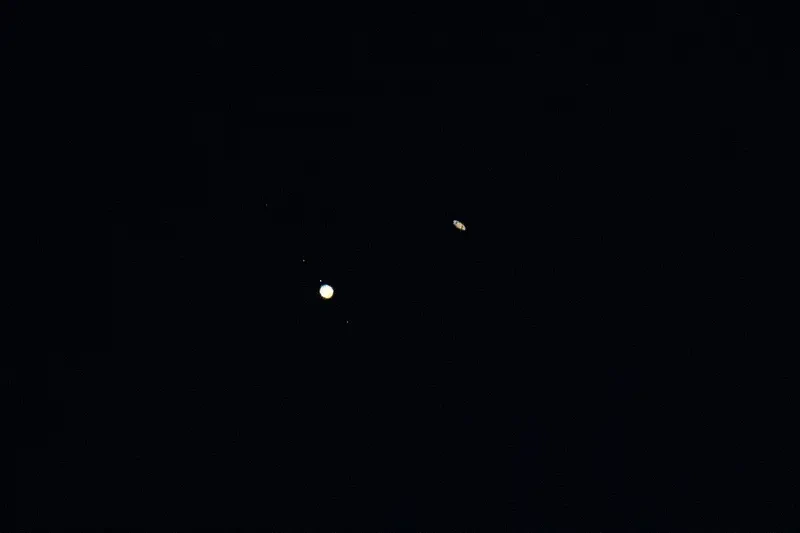
Jupiter and Saturn light up Wadi Wurayah stargazing night in Fujairah
Nestled deep within Fujairah’s rugged Hajar Mountains, Wadi Wurayah National Park traded its usual daytime quiet for telescopes, star charts, and late-evening visitors.
The UAE Ministry of Culture, working alongside the Fujairah Environment Authority and the Dubai Astronomy Group, pulled residents out to the reserve for an after-hours session running from 6pm to 10pm. Titled ‘An Evening of Astronomy and Nature at Wadi Wurayah’, the gathering blended local ecology with deep-space observation.
Visitors kicked off the night with an environmental walkthrough led by a park guide, getting a ground-level look at the spring-fed streams and waterfalls that sustain the wadi’s unique ecosystem. As daylight faded, experts from the Dubai Astronomy Group took over, steering participants through naked-eye observations and telescope viewings. Attendees tracked nebulae, distant galaxies, and gas giants like Jupiter and Saturn, planets that have been lingering so close together in the night sky that a pinkie finger at arm’s length can easily cover both.
As the UAE’s first natural site inscribed on the Unesco World Heritage List, Wadi Wurayah protects 1,099 recorded plant and animal species, including at least 10 globally threatened kinds. Events like this turn the protected biosphere into an open-air classroom after dark, offering residents a entirely different way to experience the wadi’s freshwater habitats and wildlife refuge. Registration for the programme was managed directly through the Ministry of Culture’s social media channels using a dedicated QR code.