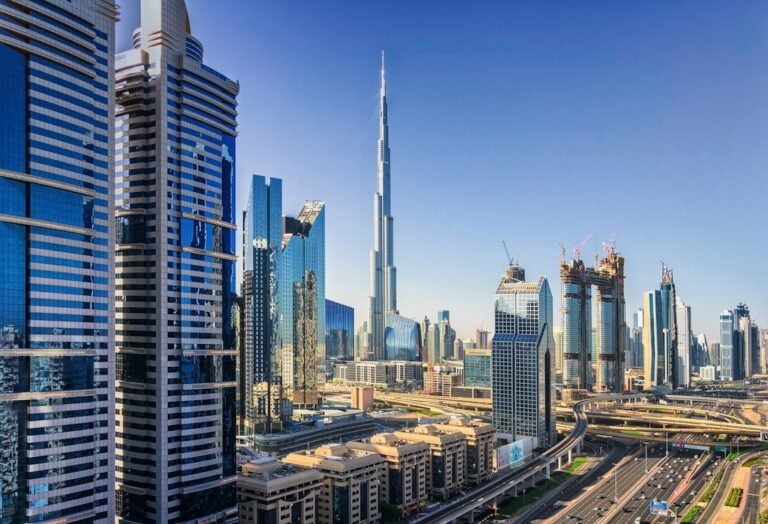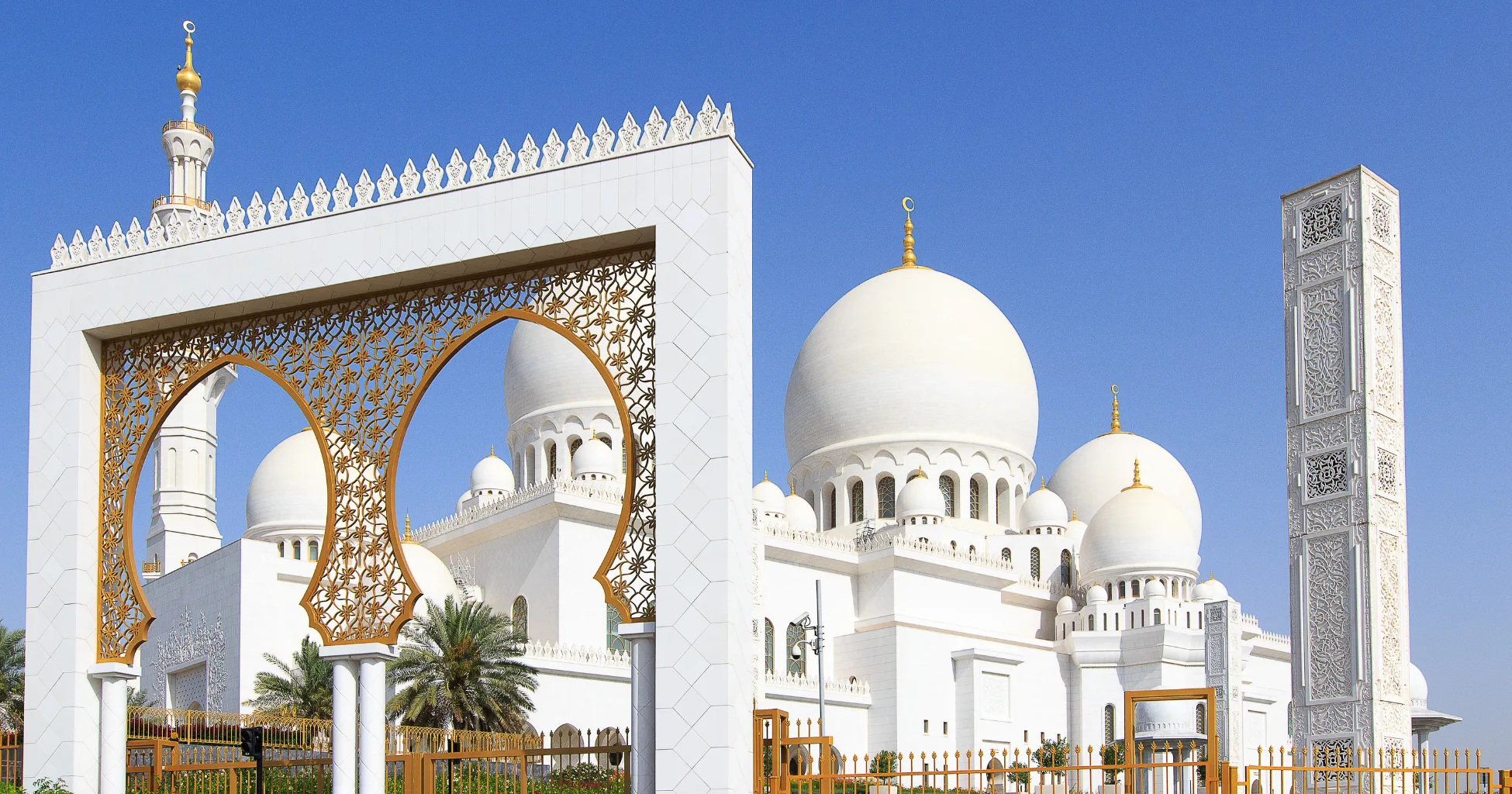
Beyond the towering glittering skyscrapers and the sprawling luxury malls that define its modern skyline, Dubai reveals a rich and vibrant tapestry of heritage, tradition, and genuine authenticity. To truly immerse yourself in the essence of the city and experience it like a local resident, you need to explore its cultural neighborhoods, vibrant and dynamic art scenes, and the lesser-known attractions that perfectly capture Dubai’s true and authentic spirit.
In this comprehensive guide, I will take you on a journey to discover the hidden gems and cultural treasures that are often overlooked or missed by most visitors to this incredible city.
Hidden Gems & Cultural Spots in Dubai
Al Fahidi Historical Neighbourhood
One of Dubai’s oldest areas, Al Fahidi (Al Bastakiya) transports you back to the 19th century with its winding alleys, wind towers, and restored traditional homes. Highlights include:
- Dubai Museum (Al Fahidi Fort) – A fascinating journey into Dubai’s history.
• Coffee Museum – A unique venue showcasing coffee’s global heritage.
• Cultural tours by the Sheikh Mohammed Centre for Cultural Understanding.
Al Seef Waterfront
Blending heritage charm with contemporary elements, Al Seef stretches along Dubai Creek. It’s ideal for strolling, shopping, and dining in a setting inspired by traditional architecture. The wooden dhows moored along the water add a nostalgic touch.
Cross the creek by abra (traditional boat) to Deira, where bustling markets bring Dubai’s heritage to life:
- Gold Souk – Renowned for exquisite gold jewelry.
• Spice Souk – A vibrant sensory experience featuring spices, herbs, and teas.
• Perfume Souk – Home to hundreds of fragrances and oud oils.
Hatta Heritage Village & Outdoor Adventures
Nestled in the Hajar Mountains, Hatta offers:
- Hatta Heritage Village – Preserved homes, forts, and watchtowers.
• Hatta Dam – Kayaking and stunning nature views.
• Hiking Trails – Explore scenic wadis and rugged mountain terrain.
Jumeirah Mosque
One of the few mosques open to non-Muslim visitors, Jumeirah Mosque offers cultural tours that foster understanding of Islamic traditions. It stands as both an architectural masterpiece and a place for cultural learning.
Alserkal Avenue – Dubai’s Art District
Located in Al Quoz, Alserkal Avenue is the vibrant heart of Dubai’s contemporary art and creative community. It features:
- Art galleries
• Cultural exhibitions
• Independent cafes
• Film screenings and live performances
Etihad Museum
This modern museum narrates the story of the UAE’s founding in 1971. Interactive displays showcase important documents, videos, and artifacts about the nation’s history.
Dubai Creek & Abra Rides
A wooden abra ride across Dubai Creek is one of the most affordable and authentic ways to experience the city. It connects old and new Dubai while offering views of traditional dhows and lively souks.
Hidden Foodie Spots
- Al Dhiyafah Road (now 2nd December Street) – Known for affordable, multicultural dining.
• Bu Qtair – A legendary beachside shack serving fresh seafood.
• Ravi Restaurant (Satwa) – A beloved spot for authentic Pakistani cuisine.
FAQs
Q1: Are these hidden gems family-friendly?
Yes, places like Al Seef, Hatta, and Dubai Creek are perfect for families.
Q2: How do I get to Hatta from Dubai?
It’s about a 90-minute drive; tours can be booked via VisitDubai.com.
Q3: Do I need tickets for these attractions?
Most sites, such as Al Fahidi and the souks, are free. Museums and cultural centers may charge a small entry fee.
Recommendations
- Spend a day exploring Old Dubai: wander through Al Fahidi, stroll along Dubai Creek, and shop at the vibrant Deira Souks.
• In the evening, visit Alserkal Avenue to experience dynamic art events and exhibitions.
• Take a day trip to Hatta to enjoy a blend of cultural heritage and outdoor adventure.
• Participate in cultural tours at Jumeirah Mosque for an enriching understanding of Emirati traditions.
Conclusion
Dubai is much more than just its iconic, towering skyscrapers—it is a vibrant city rich in culture, history, and filled with many hidden treasures waiting to be discovered. By taking the time to explore these fascinating cultural landmarks as well as the lesser-known gems scattered throughout the city, you will uncover a unique side of Dubai that is deeply cherished by its local residents.
For accurate directions and to stay up-to-date with the latest event information, be sure to rely on trusted official sources such as VisitDubai.com.

Parkin signs multi-year Binghatti deal for 1,200 Dubai parking spaces
Parkin to run 1,200 parking spaces at Binghatti sites
Parkin has signed a multi-year parking management deal with Binghatti Holding Ltd to operate around 1,200 parking spaces across selected Binghatti developments in Dubai. A move that aims to make parking accessible and payments more consistent, reducing delays around busy building entrances.
Under the agreement, Parkin will operate a defined portfolio of approximately 1,200 spaces at Binghatti properties in Dubai, according to a statement shared online by Dubai Media Office. The announcement also referenced senior executives, including Mohamed Abdulla Al Ali, CEO of Parkin, and Katralnada Binghatti, CEO at Binghatti Holding as having signed the contract for the proposed partnership which includes the deployment of advanced digital parking technologies across the managed Binghatti sites as the programme is rolled out.
A central element of the plan is to incorporate managed parking spaces into the Parkin app, uniting privately operated parking with the digital platform that many drivers already use to find and pay for parking. Practically, this app integration enables clearer parking regulations, more efficient customer support, and standardized operations across multiple locations, replacing isolated, building-specific systems.
In Dubai, where high-density towers and mixed-use developments often strain access roads and drop-off zones, well-managed private parking can significantly ease traffic flow and reduce congestion during peak hours. For Binghatti communities, streamlined parking operations enhance the experience for both tenants and visitors, while Parkin continues to grow its managed parking presence across the city.
Drivers can expect a smoother experience when arriving at participating Binghatti locations, particularly those who previously encountered varying rules across different buildings. With parking spaces now visible in the Parkin app, users can manage everything through one convenient platform instead of juggling multiple building systems.
- Agreement: Multi-year deal between Parkin and Binghatti Holding Ltd
- Scope: Parkin to operate approximately 1,200 parking spaces
- Location: Selected Binghatti developments in Dubai
- Next step: Parking spaces expected to be integrated into the Parkin app
The rollout of Parkin’s parking management operations at selected Binghatti locations is scheduled to begin in Q2 2026, with advanced digital parking technologies introduced as sites come online.

DMCC growth 2025: Free zone adds 2,300+ firms, tops 26,000 members
DMCC adds 2,300+ firms in 2025, tops 26,000 members as tech leads
Dubai Multi Commodities Centre (DMCC) reported strong growth in 2025, adding more than 2,300 companies and taking its total membership to over 26,000. DMCC said the tech cluster has surpassed 4,000 companies, making it the biggest segment by number of firms within the free zone.
Dubai Multi Commodities Centre (DMCC), one of Dubai's premier free zones and business districts centered around Jumeirah Lakes Towers (JLT), announced that technology has become its largest business sector. This growth is fueled by emerging clusters in cryptocurrency, artificial intelligence (AI), and gaming. DMCC highlights these developments as part of its broader mission to serve as a global hub connecting trade, technology, and finance from Dubai.
The growth comes from DMCC's cluster model, where companies in the same field join a shared system that includes licensing, community programs, and access to service providers. For example, crypto and digital-asset companies need strong compliance like customer checks and risk controls. AI and gaming companies usually need more engineers and cloud infrastructure.
For the UAE economy, significant annual growth in a major Dubai free zone typically drives increased activity in professional services, including legal, audit, and compliance sectors. It also boosts demand for banking and fintech solutions supporting trade flows. Additionally, this growth accelerates Dubai's efforts to attract foreign direct investment and diversify into the digital economy, complementing its well-established trade and commodities foundation.
For entrepreneurs and international companies, DMCC's growth is closely tied to the functioning of free zones in Dubai. Businesses establish themselves within a regulated free-zone framework, secure licenses through the authority, and leverage Dubai as a hub for regional operations and trade-related services. DMCC’s ecosystem model organizes firms by sector, enabling businesses to easily connect with suppliers, access talent, and obtain specialized support including banking, legal, accounting, and logistics services.

For business owners exploring company formation in Dubai, the key figures highlight both strong competition and exciting opportunities: an increasing number of firms are selecting DMCC, while the ecosystem is expanding in sectors like crypto, AI, and gaming. The crucial next step is to identify the appropriate license category for your business activities and understand the compliance requirements before finalizing your setup timeline.
- Free zone: DMCC (Dubai Multi Commodities Centre), based in the Jumeirah Lakes Towers (JLT) area of Dubai, UAE
- 2025 intake: More than 2,300 new companies joined, according to DMCC
- Total membership: Over 26,000 member companies, according to DMCC
- Largest ecosystem: Technology, with more than 4,000 tech companies, according to DMCC
- Key growth drivers: New clusters in crypto, AI and gaming
A growing DMCC membership base drives increased hiring, boosts demand for office space in JLT, and strengthens business for service providers supporting new company formations. The expansion of technology as DMCC's leading ecosystem aligns seamlessly with the UAE’s broader focus on knowledge-based industries such as software, fintech, cybersecurity, e-commerce, and digital trade services.

Nafis salary support up to AED 3,000 outlined as UAE extends programme to 2040
Nafis outlines salary support up to AED 3,000
The UAE has extended the Nafis salary support program until 2040, providing eligible Emiratis working in the private sector with financial assistance of up to AED 3,000. This initiative aims to strengthen incentives for Emiratis to secure and retain jobs outside government roles.
The extended Nafis program now includes a child allowance with no limit on the number of children covered, broadening family support for eligible Emiratis in the private sector. Alongside wage top-ups, the expanded benefits package offers additional family support, emphasizing relief for household expenses.
For Dubai and the wider UAE, this extension through 2040 signals a long-term commitment affecting both employees and employers. Emirati jobseekers can benefit from increased take-home pay, making private-sector opportunities more attractive. Companies benefit by accessing a larger pool of Emirati candidates, aiding recruitment in competitive, fast-growing industries.
A common scenario involves a private-sector employee considering a transition from a government role; the salary top-up helps clarify the financial benefits and reduces the risk of switching jobs. For families, targeted support connects workforce participation with broader social stability objectives.
- Programme: Nafis (extended until 2040)
- Support amount: Salary packages of up to AED 3,000
The Nafis extension to 2040 functions as a comprehensive long-term strategy specifically designed to significantly enhance both the employment opportunities for Emiratis and their retention rates within various private-sector roles across the country. This initiative aims to create sustainable job growth and provide ongoing support for Emirati workers to thrive in the competitive private sector over the coming decades.

DHCA waives late penalties for Dubai Healthcare City renewals
DHCA waives penalties for licence renewals
Dubai Healthcare City Authority (DHCA) has introduced Dubai Healthcare City Authority measures, a new economic relief measures for commercial licence renewals, including waivers of reinstatement fees and late renewal penalties for licences renewed between April 1 and June 30, 2026. This initiative helps Dubai Healthcare City businesses reduce compliance costs and improve cash flow by offering instalment payment options. The DHCA’s support package aims to assist partners within Dubai Healthcare City and promote sustainable growth across the healthcare and life sciences sectors. It applies to all commercial licences within the DHCC community, encompassing hospitals, clinics, diagnostic centres, educational and research institutions, and supporting service providers. Under this relief, businesses renewing their commercial licences during the April to June 2026 period will have reinstatement fees and late penalties waived. Additionally, DHCA offers structured instalment plans for renewal fees, including the acceptance of post-dated cheques, with payment schedules extending until September 30, 2026. Commercial licences are vital for daily operations in Dubai Healthcare City, enabling firms to contract suppliers and maintain service continuity. By eliminating penalty charges during the waiver period and allowing phased payments, DHCA’s measures help businesses avoid escalating fees and manage their licensing status while preserving working capital. Operators who missed their renewal deadlines can use this window to become compliant without incurring reinstatement or late fees and spread renewal payments over an agreed instalment plan extending to the end of September. Businesses are advised to coordinate their finance and compliance deadlines with DHCA and confirm eligibility and payment plan details directly.| Measure | Timeframe |
|---|---|
| Waiver of reinstatement fees and late renewal penalties (commercial licences) | Renewals completed April 1 – June 30, 2026 |
| Instalment payment plans for renewal fees (including post-dated cheques) | Payment plans available until September 30, 2026 |
- Authority: Dubai Healthcare City Authority (DHCA)
- Relief offered: Waiver of reinstatement fees and late renewal penalties for eligible commercial licence renewals
- Waiver window: Renewals completed between April 1 and June 30, 2026
- Payment option: Renewal fees can be paid via structured instalments, including post-dated cheques, up to September 30, 2026
Ensure you confirm your commercial licence renewal date and agree on any instalment plans with DHCA before the respective deadlines of June 30 and September 30, 2026. The Dubai Healthcare City Authority measures waiver is positioned as a partner-support measure designed to promote sustainable growth and business continuity across the Dubai Healthcare City ecosystem.

Dubai RTA completes 726 modern bus shelters across the emirate
RTA finishes 726 modern bus shelters rollout
Dubai's Roads and Transport Authority (RTA) has completed the installation of 726 modern bus shelters across key areas of the emirate. The upgrade matters for daily commuters because better waiting facilities and clearer route access can make public transport more comfortable, safer, and easier to use in Dubai's heat and busy travel corridors.
RTA said the shelters have been distributed across Dubai as part of its push to improve service quality and operational efficiency in the public bus network. The authority added that the bus system supported by these stops serves more than 192 million riders annually, with some shelters acting as high-demand connection points linked to more than 10 bus routes.
The project is designed around usage levels, with RTA categorising shelters into seven models based on demand at each stop. The approach targets stronger infrastructure at the busiest locations—where multiple routes meet and passenger movement is highest—while maintaining coverage across the wider network, including residential districts that feed into metro and tram stations.
For Dubai residents and workers, the biggest day-to-day impact is at high-traffic stops that function like mini interchanges. When a single stop connects more than 10 routes, clearer stop facilities and better organisation can support smoother boarding and transfers, helping the network run more consistently and making it easier to choose buses for first- and last-mile trips instead of short car journeys.
A common scenario is a commuter travelling from a residential area to a metro station using a feeder bus, then switching to another bus route after work. At multi-route stops, upgraded shelters can reduce confusion about where to wait and which service to board, especially during peak hours and late evenings.
- Project owner: Dubai Roads and Transport Authority (RTA)
- What was completed: Installation of 726 modern bus shelters across Dubai
- Network scale cited by RTA: More than 192 million riders annually
- Operational detail: Some shelters connect to more than 10 bus routes
Check your nearest stop details and route options on RTA's official channels before you travel, especially if you use multi-route shelters for transfers.