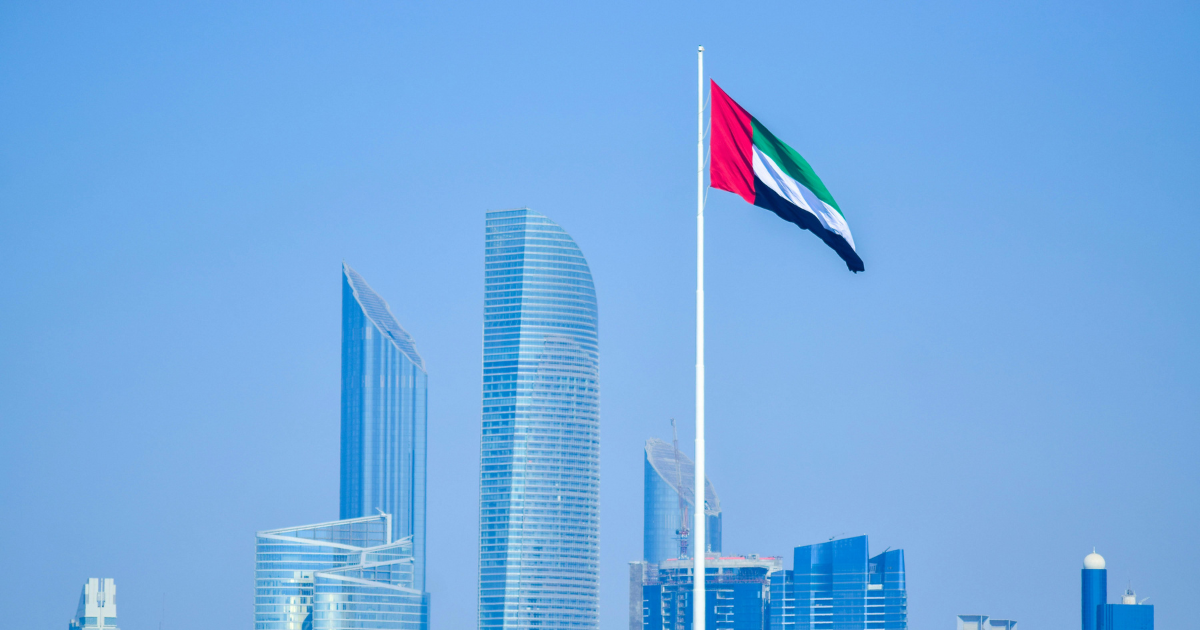
MoFA condemns UAE embassy Damascus attack and attempted vandalism
UAE embassy Damascus attack was condemned by the UAE Ministry of Foreign Affairs (MoFA) on Saturday, April 4, 2026, after riots, attempted vandalism, and attacks targeted the UAE Embassy in Damascus and the residence of the Head of Mission in Syria.
MoFA said the United Arab Emirates “strongly condemned and denounced” the incidents, and reaffirmed the UAE’s “categorical rejection and condemnation” of acts that target diplomatic premises and UAE national symbols, according to the ministry’s published statement dated 04/4/2026.
Under the Vienna Convention on Diplomatic Relations (1961), host authorities have defined obligations to protect diplomatic missions and residences from intrusion and damage; MoFA’s statement positions the Damascus incident as a diplomatic protection issue, not only a local security event.
Quick Intel
- Date: MoFA statement published Saturday, April 4, 2026, covering riots, attempted vandalism, and attacks in Damascus, Syria.
- Targets: The UAE Embassy in Damascus and the Head of Mission’s residence were named as the locations targeted.
- Legal frame: The Vienna Convention (1961) sets host-state duties to protect embassies, diplomatic residences, personnel, and national symbols.
- Resident impact: If security restrictions tighten after 04/4/2026, expect slower in-person processing and stricter access controls for consular visits tied to Syria-linked paperwork.
The incident involved confirmed acts of vandalism, not merely attempted damage, alongside the riots that targeted the diplomatic premises.
Beyond mere condemnation, the UAE’s Ministry of Foreign Affairs has emphatically called for accountability from the host authorities regarding the attacks on its diplomatic mission and the Head of Mission’s residence in Damascus.

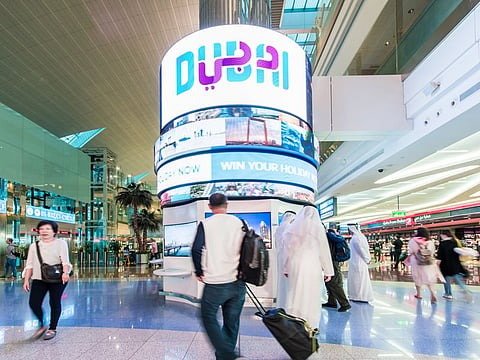
Dubai Police reports 99.9% daytime safety score for 2025
Daytime safety perception hits 99.9%, What it means for Dubai’s bottom line
99.9%, Dubai Police achieved this daytime safety perception score in the 2025 Security Quality of Life Survey, conducted by the Federal Competitiveness and Statistics Centre with the UAE Ministry of Interior.
A near‑perfect safety index translates into tangible cost advantages: retailers can schedule extended opening hours without adding private guards, hospitality venues see higher evening patronage, and logistics firms face fewer disruptions during daylight deliveries.
| Metric | Operational impact |
|---|---|
| Daytime safety perception (2025), 99.9% | Residents enjoy unrestricted movement, reducing personal security expenses; retailers and hospitality operators can justify longer hours, boosting sales; insurers may lower premiums for businesses in low‑risk zones; event planners can market “safe‑city” confidence to attract international attendees. |
The survey’s perception‑based nature means the figure reflects how safe people *feel* during daylight, not a raw crime count. For entrepreneurs, that feeling drives foot traffic: a shopper who trusts the streets is more likely to visit a mall or boutique, directly lifting revenue per square metre. Hospitality managers can schedule late‑night service staff with confidence that the city’s safety reputation will keep reservation cancellations low, trimming overtime payroll. Real‑estate developers can leverage the index in marketing materials, justifying premium rents for office space that promises a secure environment for talent retention.
For the resident workforce, the index reduces the hidden cost of personal security, no need for private alarms or extra travel insurance when commuting. That extra disposable income can be redirected toward consumption, feeding the same retail cycle that businesses rely on. Moreover, the high perception score strengthens Dubai’s brand when courting foreign investors; capital allocation decisions often weigh safety metrics alongside tax regimes, and a 99.9% rating removes a potential risk flag from due‑diligence checklists.
While the figure is encouraging, savvy operators should still monitor complementary safety data, response times, incident reporting, and enforcement outcomes, to avoid complacency. A balanced view ensures that the optimism reflected in the perception index does not mask isolated hotspots that could affect localized operations. Aligning security budgets with the index’s confidence level can free up cash for growth initiatives, such as digital transformation or market expansion, without sacrificing protection.
Bottom line: the 99.9% daytime safety perception gives Dubai businesses a measurable edge, higher consumer confidence, lower private security spend, and a stronger case for premium pricing or rent. Companies that embed this metric into their risk‑management models will see immediate upside in cost structures and long‑term resilience.

UAE Cybersecurity Council Blocks Sophisticated Financial Sector Attacks
UAE Cybersecurity Council Stops Major Cyber Threats to Banking System
The UAE Cybersecurity Council announced that it had neutralized sophisticated cyberattacks aimed at the nation’s financial sector, with no interruption to banking services. The statement directly concerns banks, payment providers and their customers across the Emirates.
Proactive threat‑hunting teams and newly‑formed partnerships with telecom operators and cloud providers were credited for the swift containment. The council’s briefing highlightd a shift toward real‑time monitoring and coordinated response drills that go beyond routine compliance checks.
Banking services remained fully operational across the UAE, meaning ATMs, online portals and point‑of‑sale terminals continued to function without delay.
The council’s success follows a 2024 incident in which a ransomware strain briefly disabled a regional payment gateway, prompting the launch of the current joint‑defense framework.

Dubai Police warning after Jebel Ali crash injures 25
25 injured as broken‑down bus hit on Jebel Ali Road; police urge caution
A broken‑down bus on Jebel Ali Road was struck by three vehicles, injuring 25 people. Dubai Police issued an immediate road‑safety warning to motorists.
Police stress that abrupt stops on fast‑moving highways can trigger chain‑reaction collisions, a risk highlighted by the recent multi‑bus incident. The warning comes as Jebel Ali Road serves as a key artery for commuters and freight, where speeds regularly exceed 80 km/h.
The crash left 25 individuals with injuries ranging from minor cuts to serious trauma. Drivers are urged to keep moving unless a breakdown is unavoidable, pull into a designated emergency lane, activate hazard lights, and contact the police without delay. Rapid risk reduction, the force said, can prevent secondary impacts that otherwise turn a single breakdown into a multi‑vehicle pile‑up.
The police message aims to cut down on unexpected stoppages that historically pose significant dangers and heightened liability for all road users.

Lionel Messi 20th World Cup goal lifts Golden Boot lead
Messi's 20th World Cup strike crowns him Golden Boot frontrunner
Lionel Messi netted his 20th World Cup goal on July 4, 2026, during the 2026 FIFA World Cup. The tally propels Argentina’s captain to the top of the tournament’s Golden Boot race.
The strike extended his scoring run to eight straight matches and eclipsed Miroslav Klose’s all‑time World Cup tally.
Messi’s 20th World Cup goal puts him ahead in the Golden Boot standings. Kylian Mbappé and Erling Haaland were next in the Golden Boot standings with six goals each as of July 3, 2026, trailing Messi’s tournament-leading total.

Dubai Customs Foil Pregabalin Smuggling Attempt
Dubai Authorities Thwart Pregabalin Smuggling Attempt
Dubai Customs and Dubai Police seized 278,850 Pregabalin pills in the initial smuggling attempt, according to official details of the joint operation, a controlled substance, weighing around 200 kg. The operation resulted in the arrest of a four-member gang, underscoring the authorities' ongoing efforts in border-security and anti-narcotics enforcement.
The seizure of 278,850 pregabalin tablets is a significant blow to drug trafficking networks in the UAE. Dubai Customs and Dubai Police have been working together to identify and intercept shipments of controlled substances, and this operation reflects their effective collaboration.
Dubai Customs and Dubai Police's joint operation is part of a broader effort to protect the community from the harm caused by controlled substances. Pregabalin is treated as a controlled substance in the UAE, and trafficking cases are typically handled as serious narcotics/controlled-medicine offenses.
The authorities' actions have prevented the diversion of these pills into local distribution markets, reducing the risk of harm linked to their misuse. This operation demonstrates the commitment of Dubai Customs and Dubai Police to enforcing border security and anti-narcotics laws, ensuring the safety and well-being of the community.
Officials said the joint operation reinforced Dubai’s leadership in border security and efforts to counter smuggling and protect the community.
The 200kg shipment of pregabalin pills was seized in a joint operation, resulting in the arrest of a four-member gang. This operation is a significant achievement for Dubai Customs and Dubai Police, demonstrating their effectiveness in identifying and intercepting shipments of controlled substances.