Pentagon Upheaval Deepens as Army Secretary Dan Driscoll Resigns
US Army Secretary Dan Driscoll submitted his resignation in Washington on September 1, 2026, stepping down after 18 months on the job amid an escalating leadership overhaul across military ranks. Pentagon personnel and congressional defense committees navigate a deepening administrative vacuum as high-ranking departures reshape the Department of the Army.
Leadership Overhaul and Policy Shifts
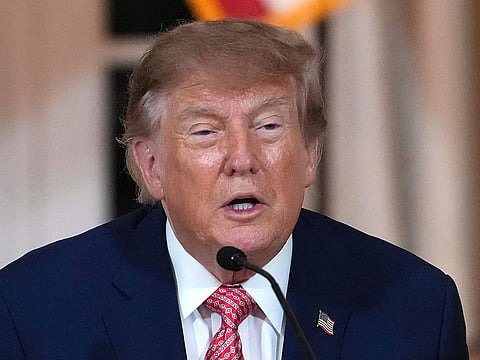
An anonymous US official confirmed that Driscoll spoke with President Donald Trump regarding the current state of the Army before tendering his resignation, which was first reported by The Wall Street Journal. While the White House provided no official reason for the exit, public reports have widely highlighted underlying tensions between Driscoll and Defense Secretary Pete Hegseth.
White House spokeswoman Anna Kelly stated in an official release that Driscoll had been highly effective in advancing the administration’s agenda, enhancing military readiness and lethality, and assisting with negotiations involving Russia and Ukraine. However, the departure compounds a series of abrupt military exits. In April, Hegseth abruptly ousted the service’s top uniformed leader, Gen. Randy George, whose departure was followed in June by the unexpected exit of European and African command leader Gen. Christopher Donahue.
Gen. Christopher LaNeve replaced George and promptly dismantled a drone modernization program previously championed by Driscoll, directing an infantry unit in Europe to abandon its drone-building efforts and return to traditional operations.
Congressional Reaction and Concerns
Lawmakers from both parties acknowledged the departure with mixed assessments of the ongoing Pentagon restructuring. Republican Rep. Steve Womack of Arkansas described Driscoll as a transformative leader who brought common sense and discipline to the department. Conversely, Democratic Rep. Jason Crow of Colorado expressed grave concern, warning that the Pentagon is currently functioning without sufficient leadership continuity. Senate Armed Services Committee ranking member Jack Reed similarly criticized the prevailing defense climate, asserting that current leadership is cultivating an environment where personal allegiance supersedes competence.