(Credit - Gulf News)
Europe’s EES: What UAE Travellers Face at Schengen Borders
The EU’s Entry/Exit System (EES) replaces manual passport stamping with a digital record for non-EU travellers. It became fully operational on 10 April 2026 and applies to short stays of up to 90 days within any 180-day period. If you fly from the UAE to Europe on a non-EU passport, including an Emirati passport, you are covered. Registration is free.
What happens at the border
On your first entry, officers collect your passport details, a facial image and fingerprints, and record your entry and exit dates. Refusing biometric collection means being denied entry. Children under 12 are not fingerprinted. Once you are registered, your face and fingerprints are verified at departure and on later entries, which is faster. Biometric passport holders may use self-service kiosks where airports provide them. Passport stamps are gone in EES countries, though Cyprus and Ireland still stamp manually.
Who is covered and who is exempt
- Covered: non-EU nationals visiting for a short stay, whether they are visa-free (such as Emirati passport holders) or hold a short-stay Schengen visa.
- Exempt: EU, EEA and Swiss nationals, people who hold citizenship of an EU member state alongside another passport, and non-EU nationals who hold a residence permit or long-stay visa for a Schengen country.
How your data is used
EES counts the days you spend in the Schengen area automatically, so border officers no longer work out the 90-day limit from stamps. If you stay beyond the limit, the system flags it. Entry, exit and refused-entry records are kept for three years, and the records of people who overstay are kept for five years.
Why queues grew
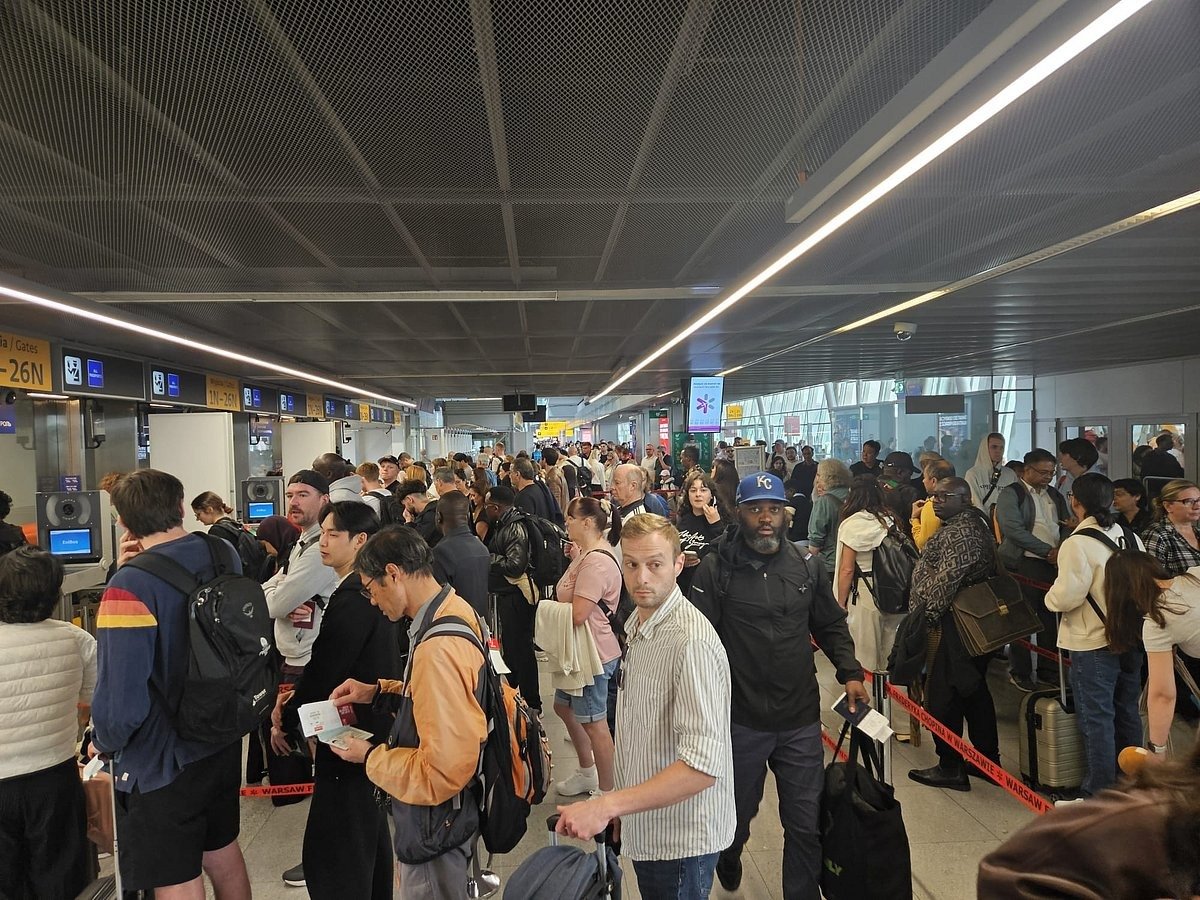
First-time enrolment takes longer than a stamp, and registrations bunch together when flights land together. Before the summer, the International Air Transport Association (IATA) warned of waits of five to six hours at the worst-affected entry points, a worst-case warning rather than an average. Travellers in the first weeks reported long lines, and some nearly missed onward flights.
How to reduce the risk
- Arrive early for the return flight. Exit checks add time, so allow extra at departure airports too.
- Avoid tight connections on a first Schengen entry. Leave at least three hours if you must clear border control before an onward flight.
- Try the Travel to Europe app. No advance step is required, but some countries let you pre-fill passport data and the questionnaire. Sweden allows an upload of passport data and a facial image, and Portugal allows the questionnaire up to 72 hours before arrival.
- Check your passport. It should be valid for at least three months beyond your planned departure from the Schengen area and issued within the last ten years.
- Plan arrival-day meetings loosely. The queue sits at border control after landing, so lounge access and check-in priority do not help.
EES is separate from the planned ETIAS travel authorisation, which has not launched. See our ETIAS update, and our note on temporary internal border checks inside the Schengen area.
Related guides
- Click and Travel: What to Expect When an Officer Clears You With a Handheld Device
- UAE Bank App Approvals: How Biometric Checkout Stops SIM-Swap Fraud
- How to Check a UAE Travel Ban Before Flying
- Emirates ID Biometric Appointment: How to Book at ICP
- Dubai Airport's Red Carpet AI Corridor: How It Works and When It Launched