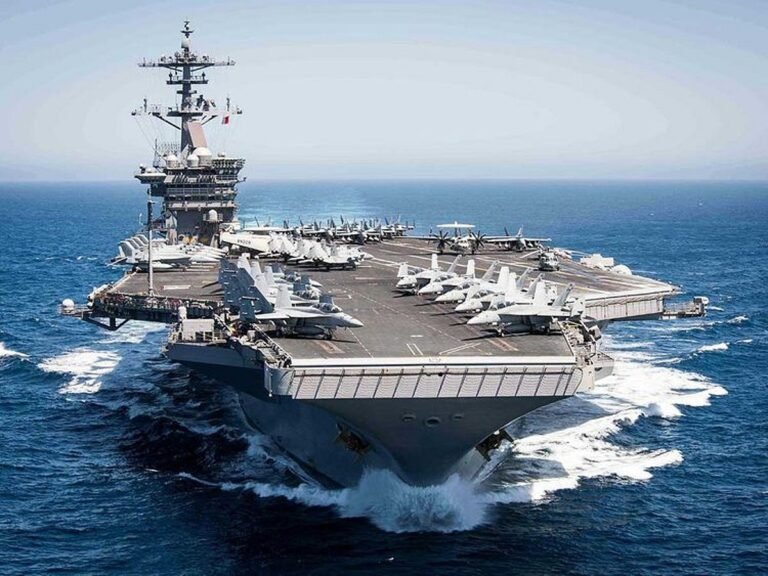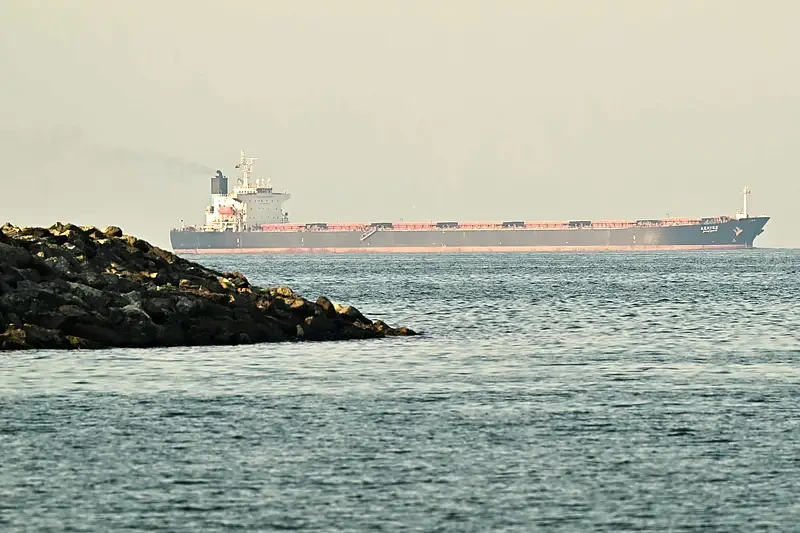
(Credit - Khaleej Times)
Strait of Hormuz Closure Could Upend Energy Security for 1 Billion People, UN Warns
If the Strait of Hormuz closes, even temporarily, a United Nations warning issued on June 7, 2026 says the disruption could ripple through global oil supply chains and directly affect around 1 billion people worldwide.
Why This Narrow Waterway Controls So Much of the World’s Energy
The Strait of Hormuz is a 33-kilometre-wide passage connecting the Persian Gulf to the Gulf of Oman and the Arabian Sea. It is the single most important maritime chokepoint for global crude oil exports, with a significant share of the world’s seaborne oil passing through it daily, including shipments from Saudi Arabia, Iraq, Kuwait, Iran, and the UAE.
Because there is no quick alternative route for most Gulf producers, any sustained blockage forces tankers to reroute around the Arabian Peninsula, adding days to transit times, driving up freight costs, and tightening physical crude supply almost immediately. Even the credible threat of closure is enough to inject a risk premium into benchmark oil prices.
What the UN Warning Actually Says, and What Remains Unconfirmed
The United Nations has warned that a closure of the strait could affect approximately 1 billion people through oil supply disruption and escalating geopolitical tensions. The specific UN agency or official behind the statement has not been identified in available reporting as of today, and the claim carries an unverified rating pending full attribution. That said, the underlying risk scenario is well-established in energy security analysis: a physical blockage of the strait would constrain tanker traffic, reduce export volumes from Gulf producers, and rapidly reprice risk across oil, shipping insurance, and freight markets globally.
- Scale of impact: Approximately 1 billion people could be affected, according to the UN warning.
- Primary mechanism: Disruption to global seaborne oil supply flowing through the strait.
- Secondary effects: Oil price spikes, higher marine insurance premiums, and freight cost increases for energy-dependent economies.
- Attribution status: UN warning confirmed; specific agency or official not yet publicly identified.
How a Closure Would Move Through the Global Economy
The first-order effect is straightforward: less oil reaches refiners, benchmark crude prices rise, and fuel costs follow. The second-order effects are broader, airlines, shipping companies, manufacturers, and agricultural producers all face higher input costs when energy prices spike. Economies that import the majority of their energy needs, particularly in South Asia and East Asia, face the sharpest exposure because they have the least buffer in domestic reserves or alternative supply arrangements.
Marine war-risk insurance premiums would also climb fast. Insurers price tanker coverage based on the probability of conflict or seizure in a given zone, and any credible closure threat pushes those premiums higher, which feeds directly into the landed cost of every barrel that does make it through.
What to Watch in the Coming Days
The key signals that will determine whether this warning escalates into a market-moving event are: official UN attribution naming the specific agency or briefing, any maritime advisories issued to commercial shipping, tanker tracking data showing rerouting behaviour, and statements from naval coalitions currently operating in the region. War-risk pricing from Lloyd’s of London and other major marine insurers will also serve as a real-time barometer of how seriously the market is treating the threat.
The Strait of Hormuz has no practical substitute for Gulf oil exporters, which is precisely what makes any closure scenario a genuine global energy emergency rather than a regional one. The UN warning, even without full attribution, reflects a risk that oil markets, freight operators, and energy-importing governments cannot afford to ignore. The next 48 to 72 hours of official statements and tanker movement data will clarify whether this is a precautionary alert or the opening signal of a broader escalation.