If you work in the UAE, your end of service gratuity can be one of the largest payments you receive from an employer. As of 2026, the regulations governing gratuity UAE calculations remain under Federal Decree-Law No. 33 of 2021, where every detail is crucial. A minor misunderstanding regarding your basic salary, length of service, or eligibility can significantly affect the final amount, potentially by thousands of dirhams.
UAE end-of-service gratuity is a compulsory legal benefit for private-sector employees who meet the eligibility criteria. It is calculated based on the employee’s last basic salary and total years of service, excluding allowances and most other benefits from the gratuity calculation.
This guide is designed for employees and HR teams navigating UAE employment exits, including resignations, terminations, contract non-renewals, and role changes. It clarifies eligibility criteria, defines the salary base, provides precise formulas for various service durations, and outlines the legal maximum limits. Additionally, it directs you to the Ministry of Human Resources and Emiratisation (MOHRE) for official information. Whether you are evaluating job offers, planning a transition, or concluding a significant phase in your career, this resource covers Employee Rights and clear End of Service Benefits under the 2026 Regulations.
At a Glance: Understanding the 2026 Gratuity UAE Calculation
- Gratuity is calculated based on your last basic salary, excluding allowances, using a daily wage derived solely from that basic salary.
- Formula for up to five years: Daily Wage × 21 × Years of Service.
- Formula for service beyond five years: Daily Wage × 21 × 5 + Daily Wage × 30 × (Years of Service − 5)
- Maximum cap: total gratuity shall not exceed the equivalent of two years’ basic salary. To check now Click HERE

UAE Labour Law: Who qualifies for gratuity in 2026
Gratuity is a mandatory end-of-service benefit for employees governed by UAE Labour Law, specifically Federal Decree-Law No. 33 of 2021. Eligibility depends on whether you are recognized as an employee under the law and if your employment concludes in a manner that qualifies for termination benefits under UAE regulations.
Most private sector employees who have completed at least one year of continuous service are entitled to gratuity upon the end of their employment. If you’re unsure whether your position qualifies, begin by reviewing your employment contract and the classification of your employer under UAE law. Then, verify your eligibility through the official MOHRE website and its guidance resources.
Basic Salary vs. Gross Salary: The Key Figure That Determines Your Gratuity
The most common error in end of service gratuity calculations is using the gross salary. According to UAE labour law, the gratuity is calculated based on your last basic salary only. Allowances such as housing, transport, phone, or other benefits are excluded from the gratuity calculation.
To keep your paperwork organized, gather your latest labor contract along with your most recent payslip. Your contract typically lists the basic salary separately from any allowances. If there are discrepancies between the documents, address them before proceeding with calculations. Many disputes arise at this stage, especially when employees have experienced promotions, salary adjustments, or compensation packages with significant allowances.
Daily Wage: How to Calculate Gratuity Rate from Basic Salary
Once you have your final basic salary, convert it into a daily wage. Many UAE gratuity calculators use a standard method of dividing the monthly basic salary by 30 to determine the daily wage for gratuity calculations. If you have all your details ready, you can easily use our UAE Gratuity Calculator here.
Gratuity Calculation UAE 2026: Precise Formulas for Employment Up to Five Years
If your total continuous service is five years or less, the formula is straightforward:
- Gratuity = Daily Wage × 21 × Number of Years Served
Most people can calculate this part on a phone calculator in under a minute, provided the service length is clear. For partial years, employers typically calculate proportionally based on the fraction of the year worked, applying the same daily wage logic.
End of Service Gratuity After Five Years: When the Higher Rate Applies
After you surpass five years, the calculation divides into two parts. The first five years remain at 21 days per year, while any time beyond that accrues at 30 days per year.
- Gratuity = (Daily Wage × 21 × 5) + (Daily Wage × 30 × (Years of Service – 5))
This is where long-serving employees experience the most significant increase. Errors often occur when someone incorrectly applies 30 days to the entire period or neglects to separate the first five years.
The Crucial Cap: Understanding the Maximum Gratuity Limit
Regardless of the length of your service, UAE Labour Law sets a maximum limit on the gratuity payout. The total gratuity cannot exceed the equivalent of two years’ basic salary. This limit applies strictly to the basic salary, not the gross salary.
If your calculated gratuity exceeds the cap, the payable amount will be limited to the maximum cap.
Comprehensive Gratuity Formulas at a Glance
| Service length | Rate applied | Formula | What to watch |
|---|---|---|---|
| 1 to 5 years | 21 days per year | Daily Wage × 21 × Years | Use last basic salary only |
| More than 5 years | 21 days for first 5 years, then 30 days | Daily Wage × 21 × 5 + Daily Wage × 30 × (Years minus 5) | Split the period correctly |
| Any length | Legal maximum | Cap at two years of basic salary | Cap can reduce long service totals |
How to use a UAE gratuity calculator without getting misled
A UAE gratuity calculator can be useful for speed, but only if you feed it the right inputs. Before you trust the output, confirm three things:
- Your last basic salary is entered, not your total package.
- Your service length is accurate to the day, especially if you are close to the five year threshold.
- The calculator applies the two year basic salary cap.
Role of MOHRE in Resolving Disputes
When an employee and employer disagree on End of Service Benefits, the Ministry of Human Resources and Emiratisation (MOHRE) serves as the official authority overseeing labor matters in the private sector. MOHRE provides resources and guidance to help clarify how UAE labor law applies to your case, particularly when there are disputes regarding contract terms, salary details, or service dates.
If you plan to raise an issue, collect your UAE employment contract, payslips reflecting your basic salary, and any written notices or termination documents. Having clear records can help resolve the matter more quickly than disputes.
A thorough final review before signing your settlement agreement
Before signing any end-of-service settlement, carefully verify the calculation according to your length of service. Ensure the daily wage is based on your last basic salary, and compare the total against the two-year cap. If the figures don’t match, request a detailed written breakdown. This is a standard and prudent step to protect your employee rights.
Gratuity is not a bonus; it is a statutory entitlement under UAE Labour Law. As of 2026, its calculation remains formula-based. By knowing the daily wage and your service duration, you can easily and accurately verify the amount. Click to use a gratuity calculator
Helpful Resources to Keep Handy: Federal Decree-Law No. 33 of 2021, MOHRE Official Website, Guide to UAE Employment Contracts, Understanding Basic Salary vs. Gross Salary.
Dubai Police fraud warning: Report fake 'official' calls on 901
Dubai Police warn against fake 'official' calls
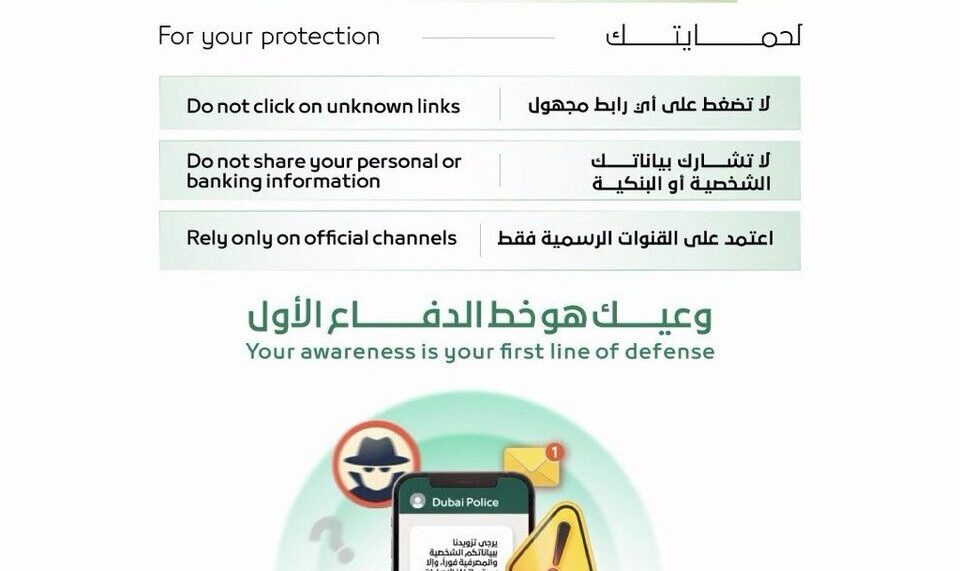
Dubai Police have issued a warning about fraudulent phone calls and fake messages impersonating official entities. This alert aims to raise awareness among residents and businesses in Dubai, as these scams seek to steal personal information, potentially resulting in financial loss and identity theft.
Dubai Police have warned that scammers are reaching out to individuals via phone calls and messages, falsely claiming to represent official organizations. The authorities urge the public to remain vigilant and report any suspicious behavior by calling the e-crime hotline at 901 or using the "Police Eye" feature on the Dubai Police smart app or official website.
Impersonation scams in the UAE frequently use tactics of pressure and urgency, sending messages like "your account will be blocked" or "a fine must be paid immediately" to coerce victims into revealing sensitive information. Dubai Police emphasize an important safety rule: never share one-time passwords (OTPs), PINs, verification codes, or personal identification details with unknown callers or messages, even if the sender’s name or caller ID appears familiar.
For Dubai residents, the risk is elevated as daily life relies extensively on digital services such as online banking, delivery apps, and government e-services. Dubai Police warned that scammers are increasingly using spoofed caller IDs and official-sounding messages to seem authentic, emphasizing that government agencies never ask for OTPs, PINs, or passwords via phone calls or SMS.
If you receive a message claiming to be from an official source, do not click on any unexpected links. Instead, verify the request by visiting official websites or using trusted apps. If you suspect your banking information has been compromised, contact your bank immediately to protect your accounts. Be sure to save screenshots, call logs, and message content to assist with any investigation.
- Authority: Dubai Police
- Warning: Fraudulent calls and fake messages impersonating official entities
- Report by phone: 901
- Report through the official channel: "Police Eye" service on the Dubai Police smart app or official website
Dubai Police strongly urged all residents to promptly report any suspected fraud attempts directly to the police force through its official and authorized reporting channels. They emphasized that quick and timely reporting plays a crucial role in minimizing potential financial losses for victims and significantly supports ongoing investigations by providing vital information early on.

Dubai Police uses AI and data to boost road safety, target zero deaths by 2033
Dubai Police expands AI tools for safer roads
Dubai Police is harnessing advanced smart technology and data-driven systems, including AI-powered tools to identify traffic violations, to enhance road safety across the emirate. This initiative aims to reduce serious accidents and supports the long-term goal of achieving zero road fatalities by 2033.
The unveiled includes a road safety strategy that combines AI-driven analytics with smart patrol deployment and automated enforcement, supporting Dubai’s goal of zero road fatalities by 2033. This initiative leverages advanced technology to detect traffic violations and curb dangerous driving habits on Dubai’s roads. According to Dubai Police, this approach forms a critical element of a broader, continuous road safety campaign across the UAE’s busiest urban transport networks.
The force is expanding the use of digital traffic fines linked to electronic monitoring systems, enabling faster detection and processing of violations across Dubai’s road network.
In practice, 'smart technology' involves automated detection using camera and radar networks combined with AI-powered identification of high-risk behaviors. Dubai Police can leverage this data to map collision hotspots, monitor repeat offenders, and identify higher-risk time periods, enabling teams to prioritize patrols and safety campaigns where they are most needed.
In Dubai, this important transition facilitates a significant shift from merely reactive enforcement measures to a more proactive and preventive approach, which perfectly aligns with the broader vision of the emirate becoming a leading smart city. Considering the substantial volume of commuter traffic moving daily between residential neighborhoods and major business hubs, combined with the fact that many drivers are not fully familiar with the local road networks, the implementation of data-driven traffic management systems greatly improves the consistency and effectiveness of enforcement efforts.
Additionally, this strategy allows for more precise and targeted improvements in road safety, addressing specific issues before they escalate. Overall, this approach plays a crucial role in reducing disruptions and delays for both daily commuters and commercial fleet operators, contributing to smoother and safer travel experiences across the city.
For instance, if analytics reveal recurring hazardous behavior in a particular corridor during specific hours, enforcement efforts and safety messaging can be concentrated there. Meanwhile, road engineering improvements, such as enhanced markings or updated signage, can be prioritized according to the identified risk patterns.
- Authority: Dubai Police
- Location: Dubai, United Arab Emirates
- What's changing: Wider use of smart technology and data, including AI systems to detect traffic violators
- Long-term target: Zero road fatalities by 2033
Dubai Police announced it is seeking international accreditation as part of its traffic safety program, aligning enforcement and operational standards with global best practices.

UAE congratulates NASA Artemis II mission success
UAE salutes NASA's Artemis II mission success
The UAE has congratulated NASA on the successful Artemis II lunar mission, hailing it as a historic milestone in human space exploration. This message highlights the UAE's growing ambitions in space science, technology careers, and sustained investment in innovation for the future.
The UAE’s congratulatory message to NASA celebrated Artemis II’s 2026 success as a landmark achievement in international space collaboration. It reaffirmed the UAE’s dedication to advancing its own space exploration ambitions. By doing so, the UAE aligns itself with leading global space initiatives during a pivotal era of lunar exploration that is fostering new partnerships and setting future research priorities.
Artemis II represents a crucial and highly significant mission within NASA's expansive Artemis program, which is focused on the ambitious goal of returning humans to the Moon. This mission plays an essential role in advancing the development of the innovative technologies and systems required to support longer and more sustainable human exploration on the lunar surface.
- Who: The United Arab Emirates; NASA
- What: The UAE congratulated NASA on the reported success of the Artemis II lunar mission and signalled future UAE space advancements
- Where: UAE (statement); NASA's Artemis programme (mission context)
- Why: To recognise a milestone in space exploration and underline the UAE's long-term innovation agenda
The UAE’s space strategy focuses on deep-space exploration, cutting-edge engineering, and cultivating a highly skilled workforce through national initiatives spearheaded by the UAE Space Agency and the Mohammed Bin Rashid Space Centre.
As the UAE continues to progressively align itself with major international missions and global scientific endeavors, it simultaneously strengthens and reinforces the case for significantly increased local investment in science education and the development of space-related industries.
This growing alignment not only highlights the importance of advancing scientific knowledge but also underscores the critical need to cultivate a robust ecosystem that supports innovation, research, and technological growth within the country.

UAE hosts 2029 IMF World Bank Annual Meetings in Abu Dhabi
UAE to host 2029 IMF–World Bank meetings
The UAE has been selected to host the 2029 IMF–World Bank Annual Meetings in Abu Dhabi, Dubai Deputy Ruler Sheikh Maktoum bin Mohammed bin Rashid Al Maktoum said. A boost to UAE's economy and global standing, as it brings top finance leaders to the capital and puts the country at the centre of major policy discussions that can shape markets and investment.
The IMF and World Bank said Abu Dhabi was chosen to host the 2029 Annual Meetings following a vote by the institutions’ governors.
In a statement, Sheikh Maktoum congratulated the UAE leadership on their selection and described the Annual Meetings as one of the world’s most important global economic events, uniting finance ministers, central bank governors, and key decision-makers from across the globe.
Sheikh Maktoum stated that the forum will focus on the global economy, financial and monetary policies, financial stability, and international economic development. In addition to formal sessions, the Annual Meetings are renowned for high-level dialogues between countries and leaders of the IMF and World Bank Group, as well as briefings and side events that shape policy priorities and investor confidence.
Hosting a major international conference in Abu Dhabi and the wider UAE boosts numerous industries, including aviation, hospitality, retail, event management, security, and professional services like legal, consulting, auditing, translation, and media. It also enhances the UAE’s reputation as a global financial center by demonstrating its capacity to attract international leaders and successfully organize large-scale, high-profile events.
For residents and businesses, the most visible changes usually come closer to the event year, when travel demand rises and the city prepares for delegations and official programmes. Companies that serve conferences and visiting executives often start planning early to secure capacity and partnerships.
- Event: 2029 Annual Meetings of the World Bank Group and the International Monetary Fund (IMF)
- Host city: Abu Dhabi, United Arab Emirates
- Announced by: Sheikh Maktoum bin Mohammed bin Rashid Al Maktoum, Dubai Deputy Ruler
- Core agenda: Global economy outlook, monetary and financial policy, financial stability, and international development
Abu Dhabi’s hosting of the 2029 Annual Meetings will represent a significant milestone as it marks the second occasion on which the United Arab Emirates has had the honor of staging the prestigious IMF–World Bank gatherings. This event will highlight the UAE’s continued commitment to playing a central role in global economic discussions and international financial cooperation.
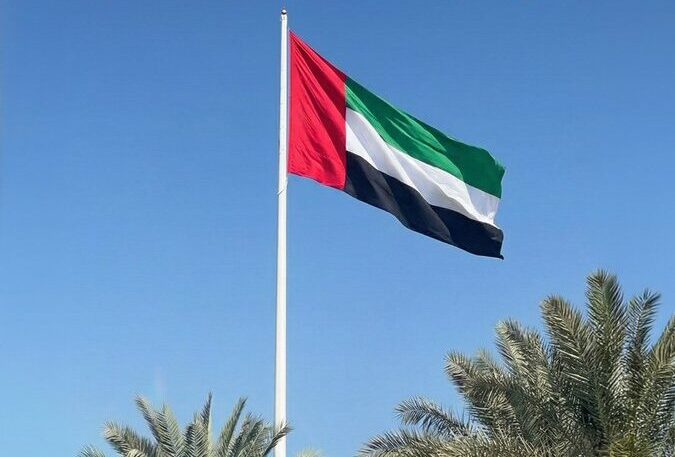
UAE flag message highlights unity as leaders urge nationwide display
UAE flag message spreads as unity symbol
Sheikh Mohammed bin Rashid Al Maktoum has called on government entities, private institutions and residents across the UAE to fly the national flag as a visible expression of unity, strength and solidarity.
The message describes the UAE flag as a symbol of pride, unity, and a nation that continues to progress with purpose and ambition. It includes a prayer for the country's leadership and people. The post connects to ongoing leadership messaging that encourages visible public support for the nation through the flag.
UAE leaders have carefully framed the flag-display campaign as a practical and meaningful everyday act that not only fosters and strengthens social cohesion among the diverse population but also serves as a powerful signal of resilience and unity during challenging and difficult moments faced by the nation.
Across the United Arab Emirates, the UAE flag is prominently displayed on government buildings, schools, private companies, and homes, making it a highly visible national symbol in daily life. Civic education often explains the flag's colors as representing core national values like strength, courage, peace, and prosperity, reinforcing a shared identity.
- Key message: The UAE flag is being highlighted as a symbol of pride, unity and forward ambition.
- Leadership context: Sheikh Mohammed bin Rashid Al Maktoum has urged visible flag displays as a sign of solidarity.
- Where it applies: Nationwide, across homes, workplaces, schools and public spaces in the UAE.
- Why it matters: Flag campaigns are used to strengthen social cohesion and resilience during crises and national reflection.
UAE leaders urged residents and institutions across the country to display the national flag as a symbol of unity and strength, with Sheikh Mohammed bin Rashid Al Maktoum leading the call for solidarity.
The campaign messaging emphasises national pride and cultural cohesion, urging communities to display the flag to underline shared identity and solidarity.